


How Many Calories Do You Burn by Walking 10,000 Steps?
Walking is one of the easiest and most accessible forms of exercise. It requires no special equipment, can be done …
Read More
Understanding what Panadol can and cannot treat
Panadol is one of the most commonly used pain relievers in the UK. It’s trusted because it’s gentle on the stomach, widely available, and suitable for most people when taken correctly. But many patients still ask a simple, important question: can Panadol reduce inflammation, or does it only help with pain and fever?
Below is an easy, clear explanation to help you understand what is panadol used for, what it actually does, when it works, and when you might need an alternative.
Panadol contains paracetamol, a medicine used to relieve mild to moderate pain and bring down a high temperature. It works by blocking pain signals in the brain and helping regulate body temperature.
This makes it helpful for common concerns like headaches, toothache, sore throats, muscle aches and fevers.
But Panadol does not work in the same way as anti-inflammatory medicines, and that’s where the difference lies.

No — Panadol does not reduce inflammation.
Paracetamol can ease pain caused by inflammation, but it does not treat the inflammation itself. This means it can make you feel more comfortable, but it will not soothe swelling or redness in the way anti-inflammatory medicines do.
If the pain you’re experiencing is linked to inflammation — for example, sprains, strains, swollen joints, or inflammatory conditions — Panadol may help with discomfort, but it will not target the underlying inflammation.
For swelling or inflammatory pain, medicines such as ibuprofen or other NSAIDs are usually more effective because they directly reduce inflammation in the body.
However, these are not suitable for everyone — especially people with stomach issues, ulcers, asthma, kidney problems or those on certain medicines.
If you’re unsure whether an anti-inflammatory medicine is safe for you, a pharmacist can advise you based on your symptoms and medical history.
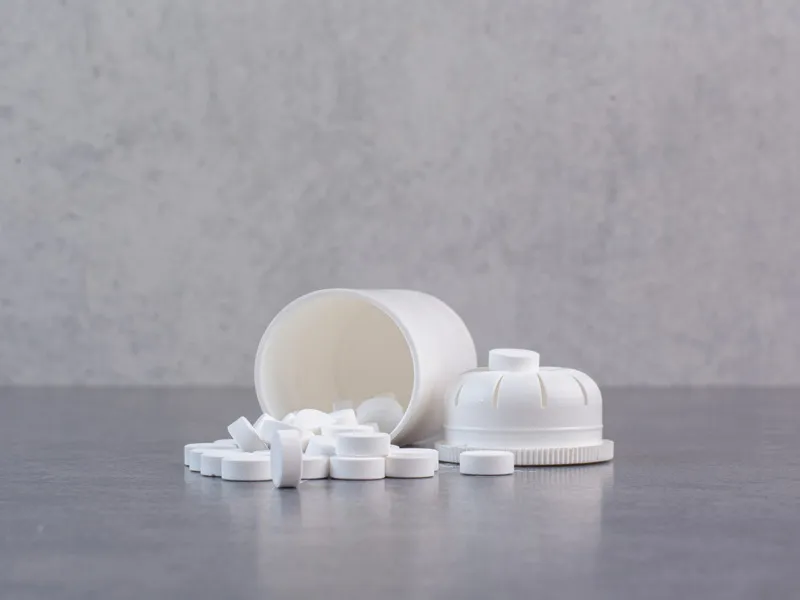
Even though it doesn’t reduce inflammation, Panadol is often recommended because it is gentler than NSAIDs.
It’s a practical choice when you have:
🔹Fever due to infection
🔹General aches and pains
🔹Toothache
🔹Flu-like symptoms
🔹Headaches or migraines
It’s also suitable for people who cannot take ibuprofen or aspirin. In many cases, healthcare professionals may recommend alternating paracetamol and ibuprofen for short-term relief — but only if it’s safe for you to do so.
If pain or swelling persists for several days, worsens, or is accompanied by fever, it’s important to seek advice from a GP or pharmacist.
Persistent inflammation may indicate an infection or an injury that needs further assessment.

1. Can Panadol help with swelling?
It can reduce the pain, but it does not treat the swelling itself.
2. Should I take Panadol or ibuprofen for inflammatory pain?
Ibuprofen works better for inflammation, but Panadol may be safer for people with stomach or kidney concerns.
3. Can I take Panadol and ibuprofen together?
Yes, many adults can take them together or alternate them — but only follow NHS-approved dosing guidance and ask a pharmacist if you’re unsure.
4. How long does Panadol take to work?
Most people feel relief within 30–60 minutes.
“Always polite and delivers medication on time. Absolutely love the service they provide and great staff. Keep up the good work ????”
“A fantastic pharmacy. Efficient, helpful staff who deliver within a few hours of prescription being prescribed or less. Absolutely amazing service.”
“Can highly recommend this service, the delivery is so speedy and always reliable, delivered by hand to the door, just amazing, thank you.”
Walking is one of the easiest and most accessible forms of exercise. It requires no special equipment, can be done …
Read More
A sprained ankle is one of the most common injuries, affecting people of all ages. It can happen during sports, …
Read More
Tirzepatide has become a widely discussed treatment for weight management, helping many people achieve significant weight loss when combined with …
Read MoreClick one of our contacts below to chat on WhatsApp