

Can Mosquito Repellent Protect Me Against Malaria?
Malaria is a potentially serious infection transmitted through the bite of infected mosquitoes. It occurs in many tropical and subtropical …
Read More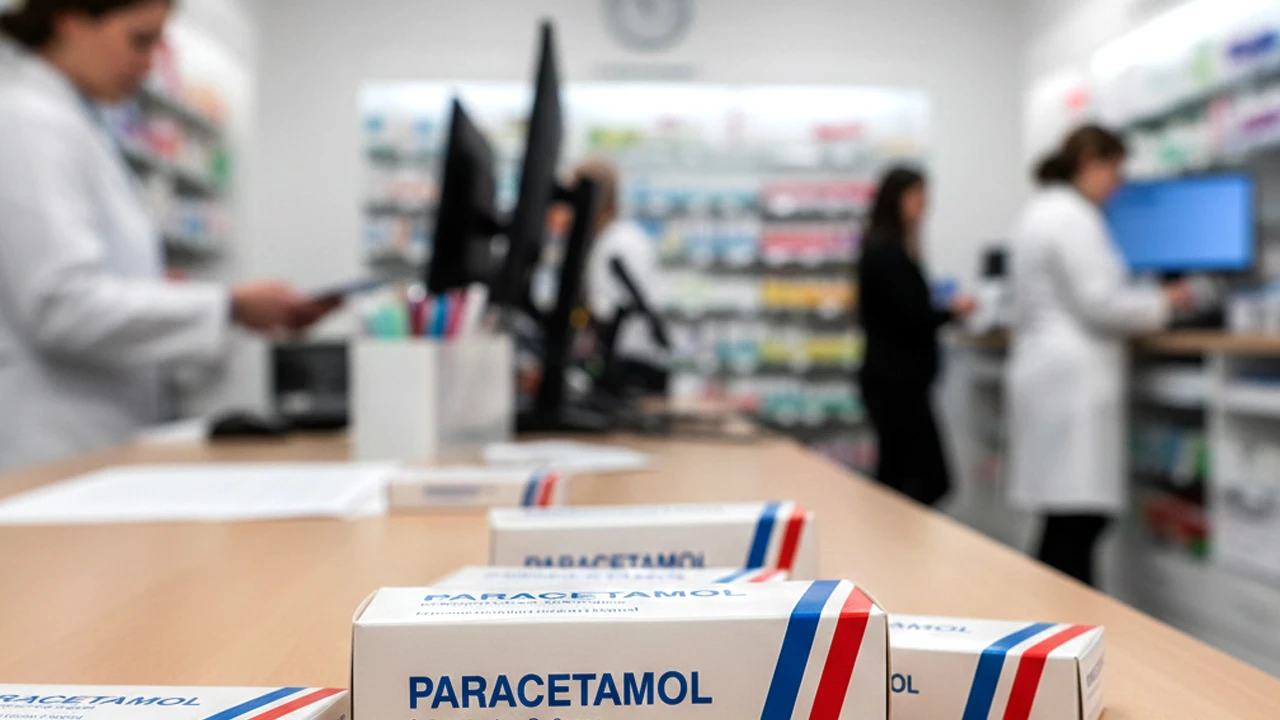
A complete guide to safety, absorption, and thriving use
Paracetamol is one of the most commonly used painkillers in the UK. It is widely taken for headaches, fever, muscle pain, toothache, and cold or flu symptoms. Many people wonder can you take paracetamol with an empty stomach, or whether it should always be taken with food for safety and better absorption.
Understanding how paracetamol works and how it affects the stomach can help you use it safely and effectively.
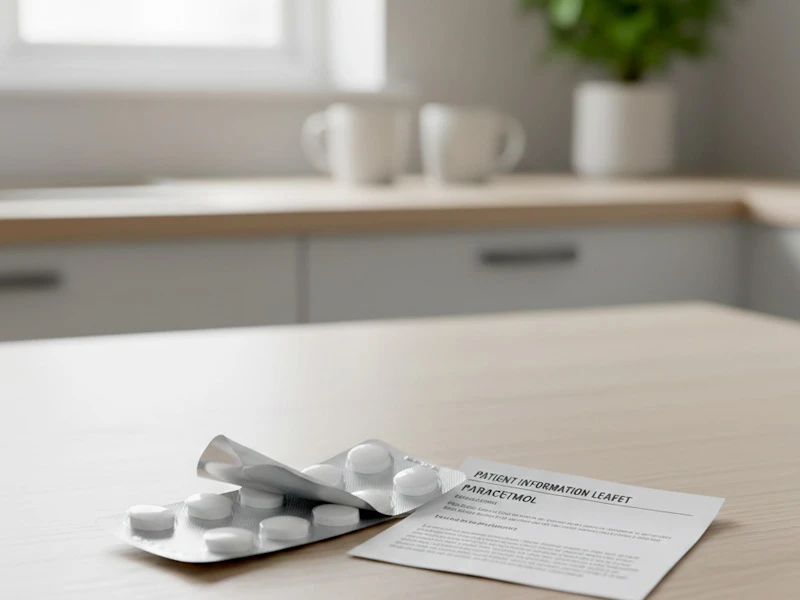
Paracetamol works by blocking chemical messengers in the brain that cause pain and help regulate body temperature. Unlike some other painkillers, it does not reduce inflammation and does not directly irritate the stomach lining in most people.
Because of this, paracetamol behaves differently from medicines such as ibuprofen and aspirin.
Yes, paracetamol can be taken on an empty stomach. Food is not required for paracetamol to work properly, and taking it without food does not usually increase the risk of stomach irritation. Many people take it first thing in the morning before eating without any problems.
In fact, paracetamol is often recommended for people who have sensitive stomachs or who cannot tolerate other painkillers.
Food may slightly slow down how quickly paracetamol is absorbed into the bloodstream, but it does not reduce its overall effectiveness. This means it may take a little longer to start working if taken after a meal, but it will still provide pain and fever relief.
Although paracetamol is gentle on the stomach, certain people should take extra care. Those with liver disease, people who drink alcohol regularly, and individuals who take long-term paracetamol should always follow medical advice and avoid exceeding the recommended dose.
Taking too much paracetamol can cause serious liver damage, even if it is taken on an empty stomach.
Paracetamol should always be taken at the recommended dose and with proper time intervals between doses. Adults should not exceed the daily maximum dose. It is also important to check other cold and flu products, as many contain paracetamol, which can lead to accidental overdose.

Medical advice should be sought if pain or fever lasts longer than three days, if symptoms worsen, or if you are unsure about correct dosing, especially for children, elderly patients, or those with medical conditions.
Paracetamol can be safely taken on an empty stomach, as it does not usually irritate the stomach lining. It remains one of the safest painkillers when used correctly. Always follow dosage instructions and speak to your pharmacist or GP if you have any concerns about long-term use or interactions.
“Always polite and delivers medication on time. Absolutely love the service they provide and great staff. Keep up the good work ????”
“A fantastic pharmacy. Efficient, helpful staff who deliver within a few hours of prescription being prescribed or less. Absolutely amazing service.”
“Can highly recommend this service, the delivery is so speedy and always reliable, delivered by hand to the door, just amazing, thank you.”
Malaria is a potentially serious infection transmitted through the bite of infected mosquitoes. It occurs in many tropical and subtropical …
Read MoreCaffeine is one of the most widely consumed stimulants in the world. It is found naturally in coffee, tea and …
Read More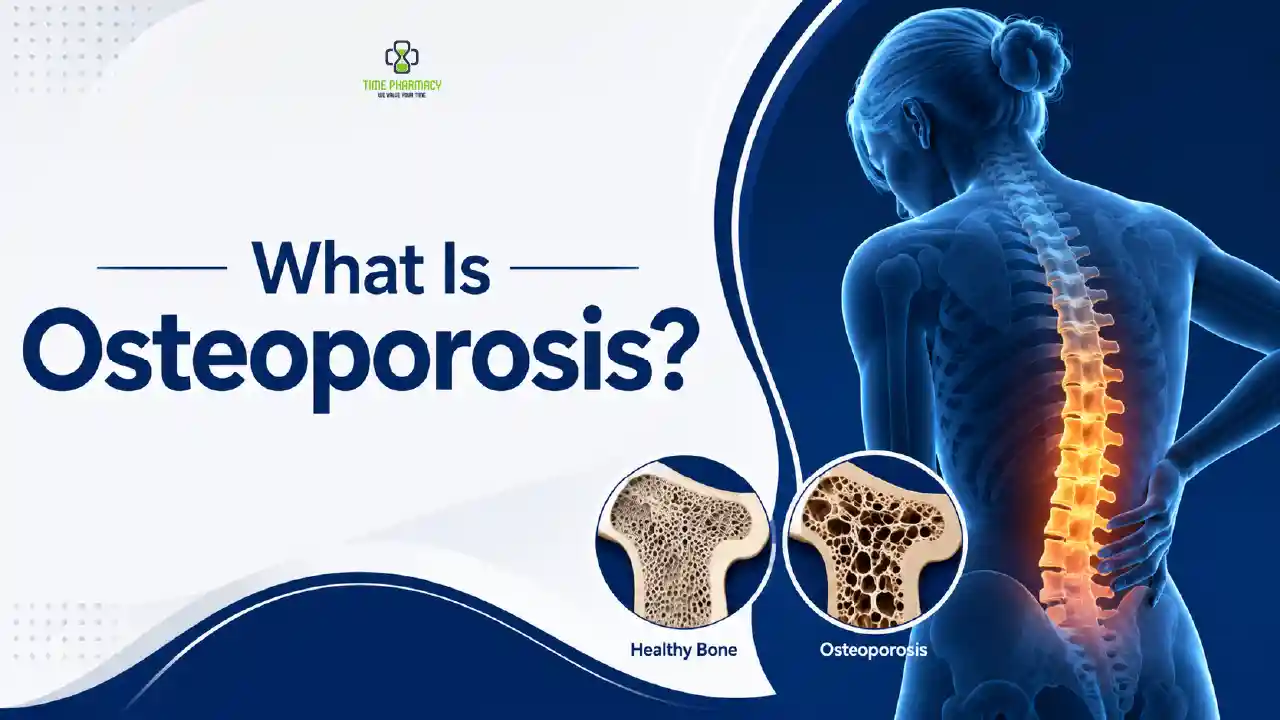
Bones are living tissue that are constantly being broken down and rebuilt throughout your life. During childhood and early adulthood, …
Read More