

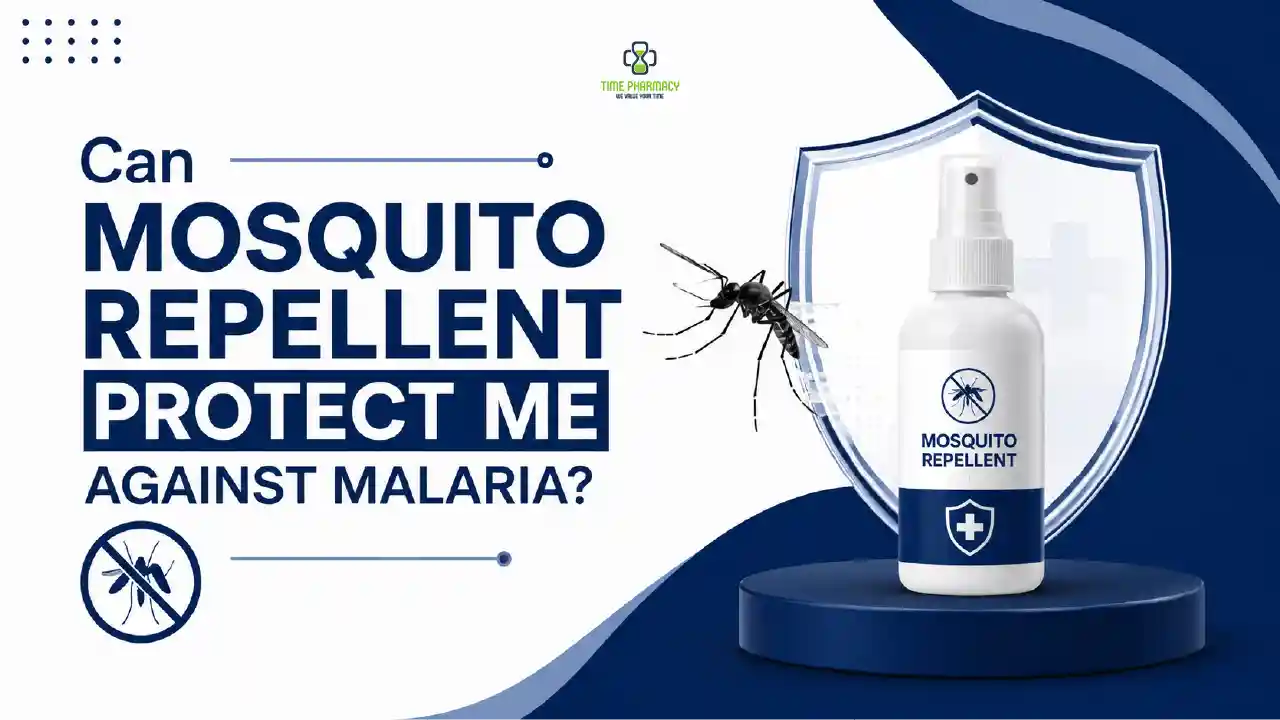
Can Mosquito Repellent Protect Me Against Malaria?
Malaria is a potentially serious infection transmitted through the bite of infected mosquitoes. It occurs in many tropical and subtropical …
Read More
A detailed explanation of malaria vaccines, how they work, and what travellers need to know
Malaria is a serious disease caused by parasites transmitted through the bite of infected mosquitoes. It remains a major health concern in many parts of Africa, Asia and South America. Because malaria can lead to severe illness and even death if untreated, prevention is extremely important. Many people preparing for travel ask “Is There a Vaccine for Malaria?”
The answer is yes, there are now malaria vaccines. However, their use and availability depend on location, age group and public health programmes. For travellers from the UK, preventive medication remains the primary method of protection.
Malaria is caused by Plasmodium parasites that enter the bloodstream through mosquito bites. Once inside the body, the parasites travel to the liver and then infect red blood cells. Symptoms usually include fever, chills, sweating, headache, muscle aches and fatigue. If not treated promptly, malaria can become life-threatening.
Because the disease spreads through mosquito bites rather than person-to-person contact, prevention focuses heavily on avoiding bites and reducing parasite transmission.
In recent years, malaria vaccines have been developed and approved for use in certain regions. These vaccines are primarily used in countries where malaria is common and where children are at high risk of severe disease.
The vaccines help reduce the risk of severe malaria and hospitalisation in young children. However, they do not provide complete protection and are part of broader malaria control strategies that include mosquito prevention and treatment programmes.
At present, malaria vaccines are not routinely offered to UK travellers. Instead, travel clinics focus on preventive antimalarial tablets and bite prevention measures.
Although malaria vaccines exist, they are currently targeted at reducing childhood malaria in high-risk countries rather than for short-term travel protection. The level of protection offered is partial, meaning it reduces severity but does not fully prevent infection.
For travellers, antimalarial medication provides more reliable short-term protection when taken correctly. These medicines are selected based on the destination, length of stay, and individual health factors.
Travellers visiting malaria-risk areas are usually advised to take preventive tablets before, during, and after travel. The type of medication prescribed depends on the region being visited and any medical conditions.
In addition to medication, avoiding mosquito bites is essential. Using insect repellent, wearing long sleeves, and sleeping under mosquito nets can significantly reduce risk.
Even with preventive measures, any fever after visiting a malaria-risk country should be assessed urgently.
Research into malaria vaccines is ongoing, and future developments may improve effectiveness and availability. Scientists continue to work on vaccines that provide stronger and longer-lasting protection.
However, at present, vaccination alone does not replace the need for antimalarial medication and bite prevention for travellers.
Anyone planning to travel to a malaria-risk country should seek professional travel health advice several weeks before departure. A pharmacist or travel clinic can recommend the most suitable preventive treatment and guide vaccination requirements for other diseases.
Early preparation ensures adequate protection and reduces the risk of illness abroad.
There is a vaccine for malaria, but it is mainly used in high-risk countries to protect children and reduce severe disease. It is not currently a replacement for preventive tablets in travellers from the UK.
If you are planning travel to a malaria-risk area, speaking to a healthcare professional ensures you receive the most appropriate advice, medication and protection for your destination.
“Always polite and delivers medication on time. Absolutely love the service they provide and great staff. Keep up the good work ????”
“A fantastic pharmacy. Efficient, helpful staff who deliver within a few hours of prescription being prescribed or less. Absolutely amazing service.”
“Can highly recommend this service, the delivery is so speedy and always reliable, delivered by hand to the door, just amazing, thank you.”
Malaria is a potentially serious infection transmitted through the bite of infected mosquitoes. It occurs in many tropical and subtropical …
Read MoreCaffeine is one of the most widely consumed stimulants in the world. It is found naturally in coffee, tea and …
Read More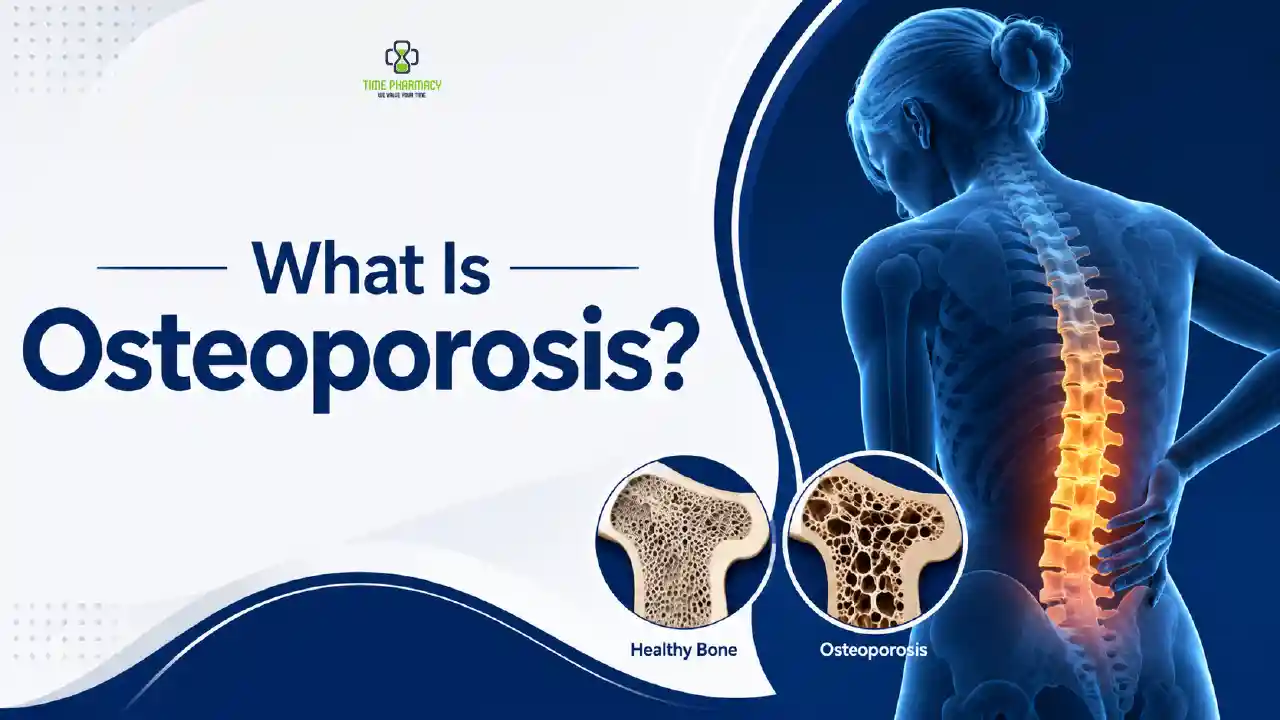
Bones are living tissue that are constantly being broken down and rebuilt throughout your life. During childhood and early adulthood, …
Read More