


How Long Does the Yellow Fever Vaccination Last?
A detailed explanation of protection duration, travel requirements, and what you need to know across the UK Yellow fever is …
Read More
A detailed explanation of safety, risks, and managing cough during pregnancy
Cough is a common symptom during pregnancy, often caused by colds, flu, throat irritation, allergies or acid reflux. While coughing itself is usually harmless, many pregnant women feel unsure about which medicines are safe to take. Because pregnancy requires extra care with medications, it is natural to ask whether cough medicine can be taken safely.
Understanding how cough medicines work and how pregnancy affects medicine safety helps expectant mothers make informed and cautious decisions.
Pregnancy causes many changes in the body that can make cough more likely. Hormonal changes can increase nasal congestion and postnasal drip, leading to throat irritation and coughing. The immune system also changes during pregnancy, making viral infections such as colds more common.
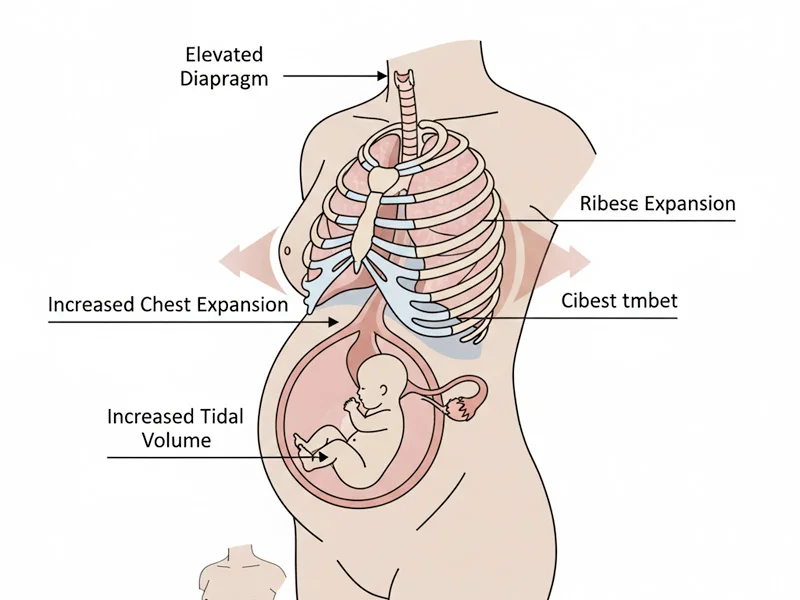
In addition, acid reflux is more frequent during pregnancy and can irritate the throat, triggering a dry or persistent cough. Identifying the cause of the cough is important when deciding on treatment.
Some cough medicines may be used during pregnancy, but not all are safe, and choices must be made carefully. Many over-the-counter cough and cold products contain multiple ingredients, some of which are not recommended during pregnancy.
Because safety depends on the specific ingredient, the stage of pregnancy, and individual health factors, cough medicine should never be taken during pregnancy without professional advice from a pharmacist, GP or midwife.
During pregnancy, medicines can cross the placenta and reach the developing baby. Some ingredients may affect fetal development, particularly during the first trimester when organs are forming.
Cough medicines often contain combinations of suppressants, decongestants, antihistamines, or alcohol-based syrups. Even if a product is safe for the general population, it may not be suitable during pregnancy. This is why careful selection and professional guidance are essential.

Simple cough syrups that mainly contain soothing ingredients such as glycerin or honey may sometimes be considered safer options, as they work by coating and calming the throat rather than acting on the nervous system.
For dry, irritating coughs, certain cough suppressants may be considered under professional guidance, particularly after the first trimester. However, suitability depends on individual circumstances and should always be confirmed before use.
Chest coughs that produce mucus are often better managed with non-medicinal measures, as suppressing a productive cough is not always recommended.
Many combination cough and cold products should be avoided during pregnancy because they may contain decongestants or other ingredients that can affect blood pressure or blood flow to the placenta.
Alcohol-containing cough syrups and herbal remedies should also be avoided unless specifically approved by a healthcare professional. ‘Natural’ does not always mean safe during pregnancy.
In many cases, a cough during pregnancy can be managed without medicine. Drinking warm fluids helps soothe the throat and reduce irritation. Honey can help calm coughing in pregnant women and is generally considered safe. Using a humidifier can reduce dry air and throat irritation, especially at night.
For a cough caused by acid reflux, lifestyle adjustments such as eating smaller meals, avoiding lying down after eating, and elevating the head of the bed during sleep may reduce symptoms.

If a cough is accompanied by fever or discomfort, paracetamol is usually considered the first-choice pain and fever relief during pregnancy when taken at the recommended dose. It does not treat the cough itself, but can help improve comfort.
Other pain relief medicines should only be used if advised by a healthcare professional.
Medical advice should be sought if a cough lasts longer than a few days, becomes severe, or is accompanied by fever, chest pain, shortness of breath, wheezing, or coughing up blood. Persistent cough during pregnancy should always be assessed to rule out infection or other underlying causes.
Women in the first trimester, those with long-term health conditions, or those unsure about the safety of medicines should always consult a pharmacist, GP, or midwife before taking any cough medicine.

Some cough medicines may be used during pregnancy, but not all are safe, and careful selection is essential. Many coughs during pregnancy can be managed with soothing, non-medicinal measures, and professional advice should always be sought before using any cough medicine.
If symptoms persist or cause concern, a pharmacist or GP can help identify the safest and most appropriate treatment to protect both mother and baby.
“Always polite and delivers medication on time. Absolutely love the service they provide and great staff. Keep up the good work ????”
“A fantastic pharmacy. Efficient, helpful staff who deliver within a few hours of prescription being prescribed or less. Absolutely amazing service.”
“Can highly recommend this service, the delivery is so speedy and always reliable, delivered by hand to the door, just amazing, thank you.”
A detailed explanation of protection duration, travel requirements, and what you need to know across the UK Yellow fever is …
Read More
If you receive free NHS prescriptions through a Medical Exemption Certificate, it is important to keep it valid. These certificates …
Read More
A detailed explanation of what it is, who it is for, and how it helps patients across the UK Prescription …
Read MoreClick one of our contacts below to chat on WhatsApp