


How Long Does the Yellow Fever Vaccination Last?
A detailed explanation of protection duration, travel requirements, and what you need to know across the UK Yellow fever is …
Read More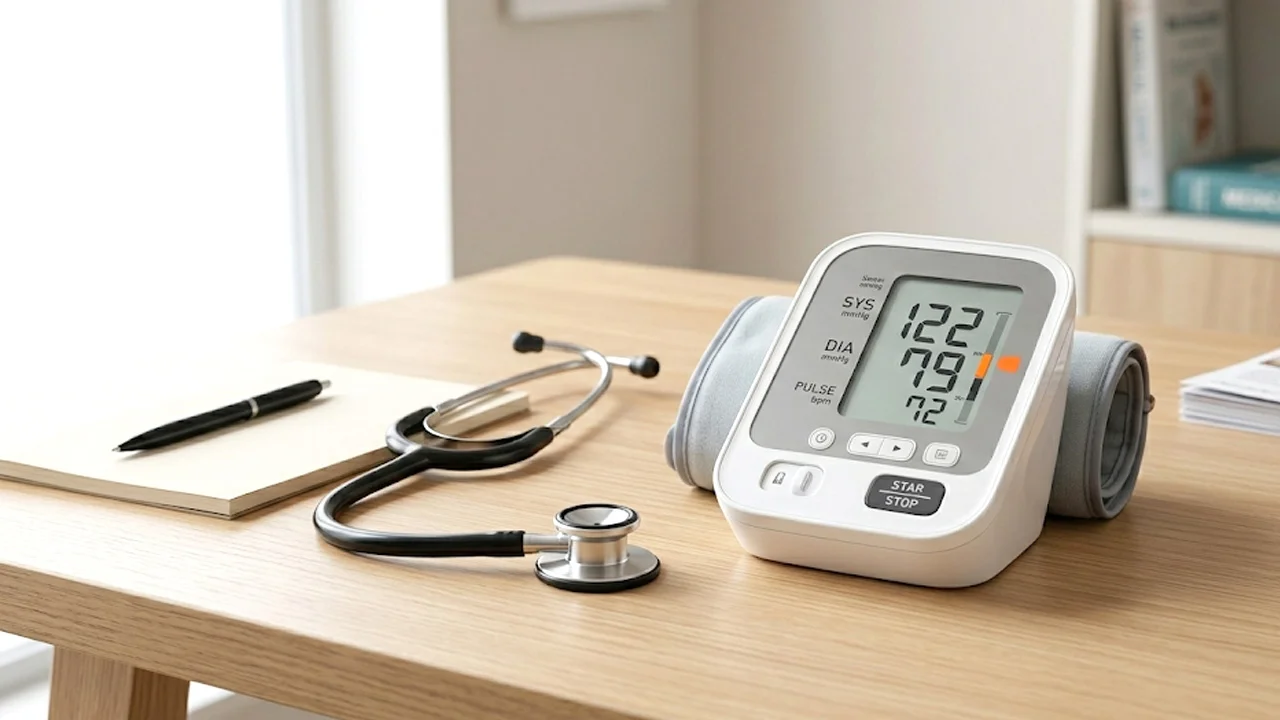
A detailed explanation of the link between high blood pressure and headaches, when to worry, and what symptoms to watch for
High blood pressure, also known as hypertension, is a common condition that affects millions of people worldwide. It is often referred to as a “silent condition” because it usually does not cause noticeable symptoms in its early stages. However, many people wonder “Does High Blood Pressure Cause Headaches?”, especially when they experience head pain alongside elevated readings.
The relationship between high blood pressure and headaches is more complex than many assume. While headaches can occur in certain situations, most people with mild or moderate high blood pressure do not experience regular headaches as a direct symptom.
Blood pressure measures the force of blood pushing against the walls of the arteries. When this pressure remains consistently high over time, it can strain blood vessels and increase the risk of serious complications such as heart disease, stroke, and kidney problems.

In many cases, high blood pressure develops gradually and without obvious warning signs. This is why routine monitoring is essential, particularly for individuals over the age of 40 or those with risk factors such as obesity, smoking, or family history.
In most cases, mild or moderately elevated blood pressure does not cause headaches. Research suggests that headaches are not a reliable early symptom of routine hypertension.
However, extremely high blood pressure, known as a hypertensive crisis, can cause headaches. This occurs when blood pressure rises suddenly and reaches dangerously high levels. In such situations, increased pressure inside blood vessels may contribute to symptoms, including severe headache.
These headaches are often described as intense, throbbing, and persistent. They may be accompanied by other symptoms.
Headaches linked to severely elevated blood pressure are usually not mild. They may occur alongside symptoms such as blurred vision, chest pain, shortness of breath, confusion, dizziness or nosebleeds.
If someone experiences a sudden, severe headache combined with very high blood pressure readings, urgent medical attention is required.
It is important not to ignore these symptoms, as a hypertensive crisis can lead to serious complications if untreated.

One reason high blood pressure is considered “silent” is that the body gradually adapts to increasing pressure. This means that damage can occur internally without obvious symptoms such as pain.
Headaches are common in the general population for many reasons, including stress, dehydration, lack of sleep and tension. If someone with high blood pressure experiences frequent headaches, the cause may be unrelated to blood pressure itself.
Regular monitoring helps determine whether there is a true connection between symptoms and blood pressure levels.
Even if headaches are not present, high blood pressure should always be taken seriously. Lifestyle changes such as reducing salt intake, maintaining a healthy weight, exercising regularly, limiting alcohol, and managing stress can help lower blood pressure.
In some cases, medication may be prescribed to control blood pressure and reduce the risk of long-term complications.
Routine checks at a pharmacy or GP surgery can help track blood pressure levels and detect problems early.
Medical advice should be sought if headaches are severe, sudden, or accompanied by visual changes, confusion, chest pain, or very high blood pressure readings. Anyone concerned about their blood pressure should arrange a check rather than waiting for symptoms to appear.
Regular monitoring is far more reliable than relying on symptoms alone.
Mild or moderately high blood pressure usually does not cause headaches. However, severely elevated blood pressure can lead to intense headaches and other serious symptoms. Because high blood pressure often develops silently, regular monitoring is essential for early detection and prevention.
If you experience severe headaches alongside high readings or other concerning symptoms, seek medical attention immediately. For routine checks and advice, a pharmacist or GP can help assess your blood pressure and guide you toward safe management.
“Always polite and delivers medication on time. Absolutely love the service they provide and great staff. Keep up the good work ????”
“A fantastic pharmacy. Efficient, helpful staff who deliver within a few hours of prescription being prescribed or less. Absolutely amazing service.”
“Can highly recommend this service, the delivery is so speedy and always reliable, delivered by hand to the door, just amazing, thank you.”
A detailed explanation of protection duration, travel requirements, and what you need to know across the UK Yellow fever is …
Read More
If you receive free NHS prescriptions through a Medical Exemption Certificate, it is important to keep it valid. These certificates …
Read More
A detailed explanation of what it is, who it is for, and how it helps patients across the UK Prescription …
Read MoreClick one of our contacts below to chat on WhatsApp