

How Long Does the Yellow Fever Vaccination Last?
A detailed explanation of protection duration, travel requirements, and what you need to know across the UK Yellow fever is …
Read More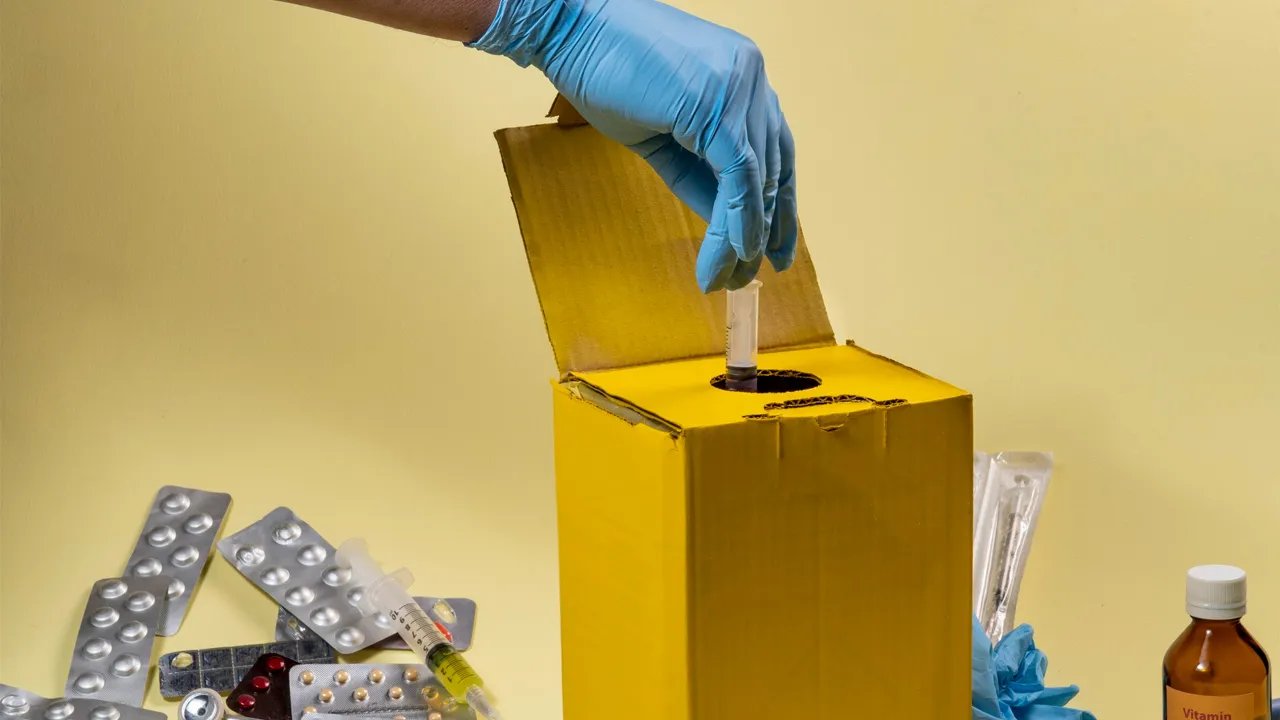
Safe, legal and NHS-approved ways to get rid of unwanted medication
When you find expired tablets in a drawer or half-used antibiotics at the back of the cupboard, it’s natural to wonder what to do with them. In the UK, there are strict NHS and MHRA guidelines about how to dispose of old medicines safely. Throwing them in the bin or flushing them down the toilet is not only unsafe it’s harmful to the environment and could put others at risk.
Here’s a clear guide to help you dispose of unused or expired medicines properly.
Old medicines shouldn’t be kept at home because:
🔹They may be unsafe once expired or damaged
🔹Someone could take them by mistake, especially children or older adults
🔹Antibiotics must never be reused — doing so increases the risk of antibiotic resistance
🔹Flushing medicines causes water contamination, harming animals and ecosystems
The NHS emphasises responsible disposal to protect both people and the environment.
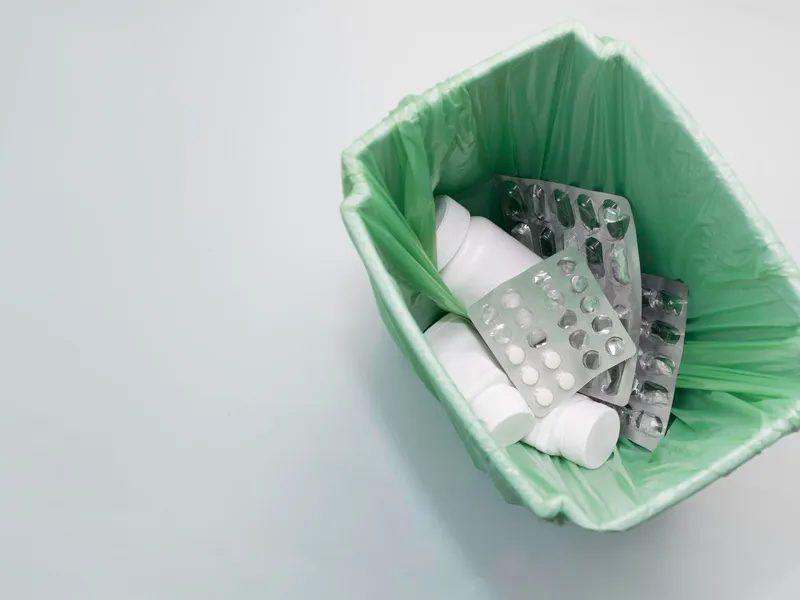 Take Old Medicines to Your Local Pharmacy (NHS Recommended)
The safest and most widely accepted method in the UK is to return old or unused medicines to a community pharmacy.
Pharmacies across the UK including independent pharmacies like Time Pharmacy in Keighley and Bradford accept:
🔹Tablets and capsules
🔹Liquids
🔹Inhalers
🔹Creams and ointments
🔹Patches
🔹Antibiotics
🔹Prescription medicines
🔹Over-the-counter medicines
The pharmacy will dispose of them through an approved medical waste system.
This service is completely free.
Putting old medicines in the general rubbish could:
🔹Allow others to find and misuse them
🔹Put animals at risk
🔹Release harmful chemicals into soil and waterways
The MHRA and NHS strongly advise against bin disposal unless the medicine is non-hazardous and no pharmacy access is possible.
Even then:
🔹Keep medicines in their original packaging
🔹Remove or scratch out your personal details
🔹Seal them inside an opaque bag before placing in rubbish
This should only be a last resort.
Flushing is strictly discouraged because:
🔹Active chemicals enter the sewage system
🔹Water treatment plants cannot remove all medicine residues
🔹Contamination affects rivers, drinking water and wildlife
🔹Antibiotic traces contribute to antimicrobial resistance
Only a pharmacist or healthcare professional should dispose of medicines in a controlled system.
Sharps (like insulin needles) require specialist disposal.
You should:
🔹Request a sharps bin from your GP or local council
🔹Arrange a council collection service for full bins
🔹Never put needles in household waste or recycling
🔹Never bring loose needles to a pharmacy
Different councils in West Yorkshire (Bradford, Keighley, Riddlesden) offer specific sharps disposal services.
Used or expired inhalers should not be thrown in the bin.
Why?
🔹They contain greenhouse gases
🔹They must be incinerated correctly
Most pharmacies in the UK accept inhalers for safe disposal.
🔹Cardboard boxes → Recyclable
🔹Plastic pill bottles (if empty) → Follow local recycling rules
🔹Blister packs → Usually not recyclable in household bins, but some pharmacies participate in TerraCycle schemes
Ask your local pharmacy if they offer recycling programmes.
The NHS has strict regulations because:
🔹Medicines must never be reused once returned
🔹Storage conditions at home cannot be guaranteed
🔹The safety of each item must be protected
🔹Medicines can be harmful to others
🔹Environmental protection is a legal duty
Pharmacies follow MHRA and NHS-approved destruction processes.
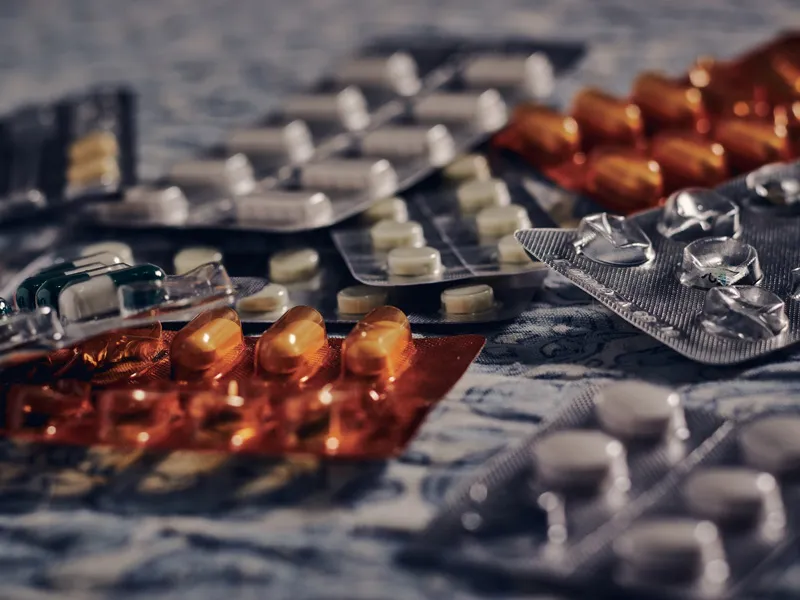
If you’re ever unsure about how to dispose of old medicines in the UK, the safest answer is simple:
👉 Return them to your local pharmacy.
It protects your household, prevents environmental damage, and ensures controlled disposal under NHS guidelines.
1. Can I throw old tablets in the bin?
Not recommended. Take them to your pharmacy for safe disposal. Only non-hazardous, empty packaging should go in household waste.
2. Can I flush medicines down the toilet?
No. This causes environmental contamination and is against NHS advice.
3. Will my pharmacy charge me for disposing of old medicines?
No. It is completely free under the NHS waste disposal service.
4. Can I return antibiotics I never finished?
Yes. Bring them to the pharmacy. Never save or reuse antibiotics, and never share them with others.
“Always polite and delivers medication on time. Absolutely love the service they provide and great staff. Keep up the good work ????”
“A fantastic pharmacy. Efficient, helpful staff who deliver within a few hours of prescription being prescribed or less. Absolutely amazing service.”
“Can highly recommend this service, the delivery is so speedy and always reliable, delivered by hand to the door, just amazing, thank you.”
A detailed explanation of protection duration, travel requirements, and what you need to know across the UK Yellow fever is …
Read More
If you receive free NHS prescriptions through a Medical Exemption Certificate, it is important to keep it valid. These certificates …
Read More
A detailed explanation of what it is, who it is for, and how it helps patients across the UK Prescription …
Read MoreClick one of our contacts below to chat on WhatsApp