


How Long Does the Yellow Fever Vaccination Last?
A detailed explanation of protection duration, travel requirements, and what you need to know across the UK Yellow fever is …
Read More
A detailed explanation of common causes, safe home remedies, and when to seek medical advice
A blocked ear can feel uncomfortable, muffled, and sometimes even slightly painful. Many people describe the sensation as pressure, fullness, or reduced hearing in one or both ears. A blocked ear can develop suddenly after a cold, a flight, swimming, or even without a clear reason. Because it can affect hearing and balance, it is natural to want quick relief.
Understanding what causes a blocked ear and knowing how to open a blocked ear at home using safe, proven methods can help ease discomfort while reducing the risk of further damage.
One of the most common causes of a blocked ear is earwax buildup. Earwax is a natural protective substance, but sometimes it can accumulate and harden, blocking the ear canal and affecting hearing.
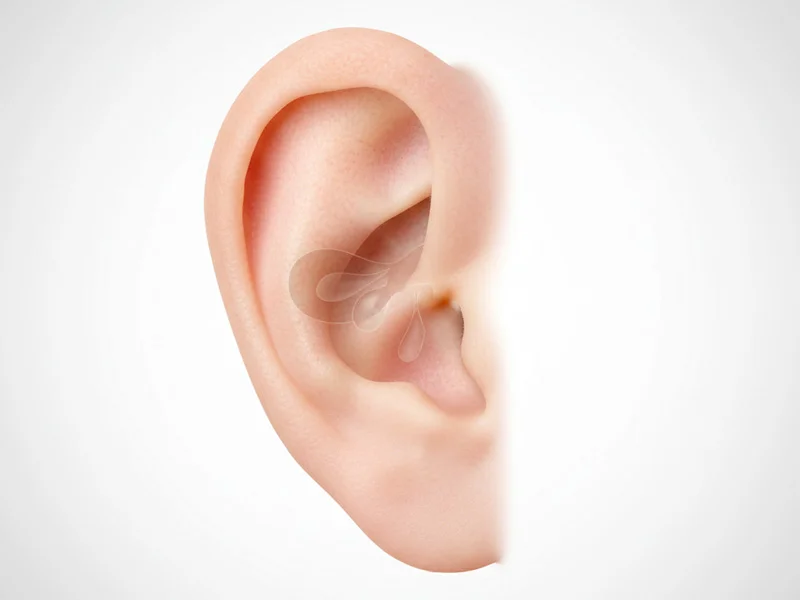
Another frequent cause is pressure imbalance, especially during air travel or changes in altitude. When pressure inside the middle ear does not equalise properly, it can create a feeling of fullness or blockage.
Blocked ears can also occur during colds, sinus infections, or allergies. In these cases, inflammation and mucus buildup can affect the Eustachian tubes, which are responsible for balancing pressure between the middle ear and the throat.
Water trapped in the ear after swimming or showering may also create a temporary blocked sensation.
If earwax buildup is suspected, softening drops available from pharmacies can help loosen hardened wax. These drops work by breaking down the wax, making it easier for the ear to clear naturally.
After using drops for a few days, the wax may come out on its own. It is important not to insert cotton buds, hairpins, or other objects into the ear, as this can push wax deeper and cause injury.
If symptoms persist after using softening drops, professional removal may be necessary.
When a blocked ear is caused by pressure changes, simple techniques can help equalise pressure. Swallowing, yawning, or gently chewing gum can help open the Eustachian tubes.
A gentle Valsalva manoeuvre, which involves closing the mouth, pinching the nose, and blowing gently, may also help balance pressure. However, this should be done carefully to avoid damaging the ear.
Steam inhalation can also help if the blockage is linked to congestion from a cold.
If the blockage is related to a cold or sinus congestion, reducing nasal inflammation can help. Saline nasal sprays or steam inhalation may help relieve congestion and improve airflow.
Over time, as the underlying infection or allergy improves, the blocked sensation usually resolves on its own.

If water is trapped in the ear, tilting the head to the affected side and gently pulling the outer ear can sometimes allow the water to drain out. Lying on the affected side may also help.
Using a hairdryer on a low, cool setting held at a safe distance may assist evaporation, but care must be taken to avoid burns.
Home remedies should be avoided if there is severe pain, sudden hearing loss, dizziness, discharge of pus or blood, or a history of ear surgery. These symptoms may indicate infection or other complications that require medical assessment.
A healthcare professional should also check for persistent blockage lasting more than a few days.
Pharmacists can assess symptoms and recommend appropriate ear drops or supportive treatments. If earwax is the cause, they may provide advice on safe softening treatments or refer for professional removal if necessary.

Seeking early advice can prevent complications and speed up relief.
A blocked ear can often be relieved safely at home, depending on the cause. Earwax buildup, pressure changes, and mild congestion are common reasons and can usually be managed with simple measures. However, inserting objects into the ear should always be avoided.
If symptoms persist, worsen or are accompanied by pain or hearing loss, professional medical advice should be sought. A pharmacist or GP can help determine the safest and most effective treatment.
“Always polite and delivers medication on time. Absolutely love the service they provide and great staff. Keep up the good work ????”
“A fantastic pharmacy. Efficient, helpful staff who deliver within a few hours of prescription being prescribed or less. Absolutely amazing service.”
“Can highly recommend this service, the delivery is so speedy and always reliable, delivered by hand to the door, just amazing, thank you.”
A detailed explanation of protection duration, travel requirements, and what you need to know across the UK Yellow fever is …
Read More
If you receive free NHS prescriptions through a Medical Exemption Certificate, it is important to keep it valid. These certificates …
Read More
A detailed explanation of what it is, who it is for, and how it helps patients across the UK Prescription …
Read MoreClick one of our contacts below to chat on WhatsApp