

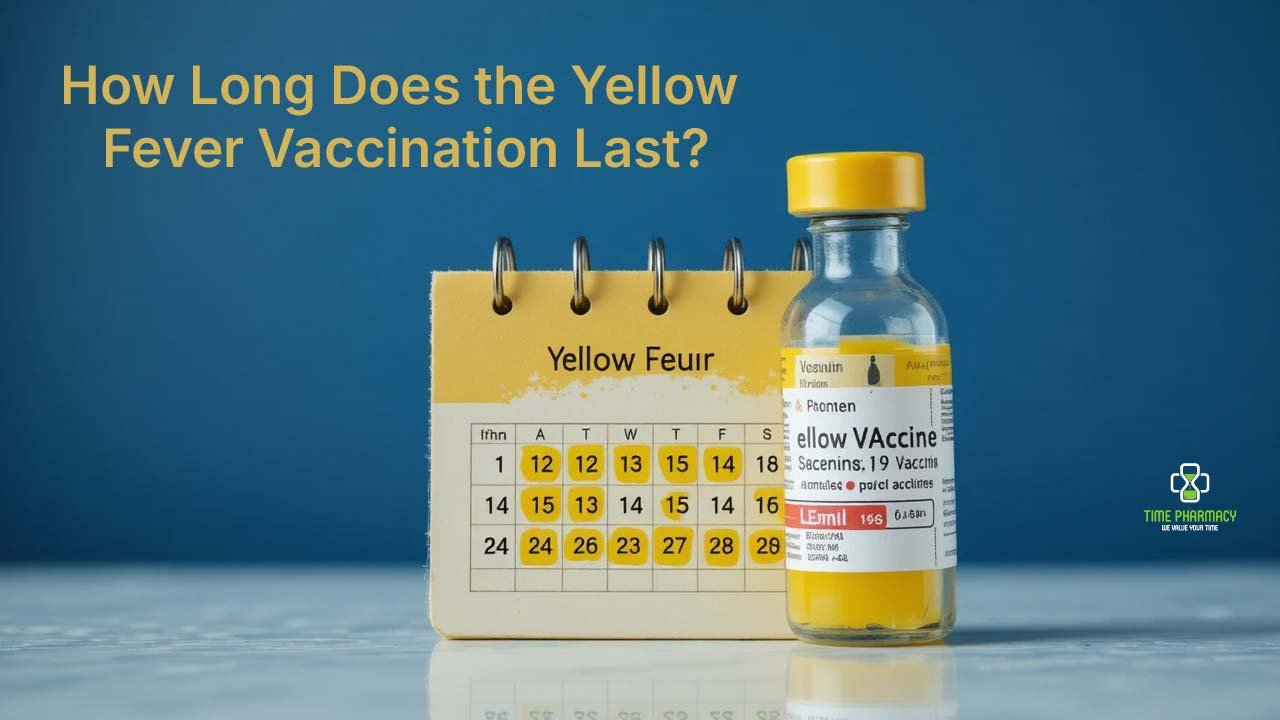
How Long Does the Yellow Fever Vaccination Last?
A detailed explanation of protection duration, travel requirements, and what you need to know across the UK Yellow fever is …
Read More
A detailed explanation of eligibility, protection benefits, and why vaccination matters
Pneumonia is a serious lung infection that can affect people of all ages, but it can be particularly dangerous for certain groups. It can cause symptoms such as cough, fever, chest pain, difficulty breathing, and extreme fatigue. In severe cases, pneumonia can lead to hospitalisation and life-threatening complications.
Because of these risks, vaccination plays an important role in prevention. Many people ask who should get the pneumonia vaccine and whether it is necessary for them. Understanding who is most at risk helps clarify why vaccination is strongly recommended for certain individuals.
The pneumonia vaccine protects against infections caused by certain types of bacteria, most commonly Streptococcus pneumoniae. This bacterium can cause pneumonia as well as other serious infections, such as meningitis and bloodstream infections.
Vaccination helps the immune system recognise and fight these bacteria more effectively, reducing the risk of severe illness.

While anyone can develop pneumonia, some groups are more vulnerable to serious complications. Age, weakened immunity, and underlying health conditions all increase the likelihood of severe infection.
Older adults often have reduced immune function, making it harder for the body to fight infection. Similarly, young children have developing immune systems, which can also increase vulnerability.
People with chronic health conditions are at higher risk because their bodies may already be under strain, making recovery more difficult.
The pneumonia vaccine is generally recommended for adults aged 65 years and over, as the risk of serious complications increases significantly with age. Vaccination in this age group helps reduce hospital admissions and severe outcomes.
It is also recommended for people aged 2 to 64 years who have certain long-term health conditions. These may include chronic heart disease, lung conditions such as asthma or COPD, diabetes, kidney disease, or liver disease. Individuals with weakened immune systems, whether due to medical treatment or underlying illness, are also advised to receive the vaccine.

Babies and young children are offered pneumococcal vaccination as part of the routine childhood immunisation schedule. This early protection significantly reduces the risk of serious infections during childhood.
For most adults aged 65 and over, a single pneumococcal vaccine provides long-lasting protection. However, some individuals with specific health conditions may require additional doses depending on medical advice.
A healthcare professional can confirm whether further vaccination is necessary based on individual health status.
The pneumonia vaccine has been widely used and is considered safe for the vast majority of people. Some individuals may experience mild side effects such as soreness at the injection site, slight fever or tiredness, but serious side effects are rare.
The benefits of vaccination in preventing severe illness generally outweigh the risks, particularly for those in high-risk groups.
Some people believe that because they feel healthy, they do not need a vaccination. However, pneumonia can develop suddenly and progress quickly, especially in older adults or those with underlying conditions. Vaccination acts as a protective measure before infection occurs.
Preventing pneumonia not only protects the individual but also reduces pressure on healthcare services during peak seasons.

Anyone unsure about their eligibility for the pneumonia vaccine should speak to their GP or pharmacist. Individuals with chronic health conditions, those planning travel, or those who have previously experienced severe respiratory infections may particularly benefit from advice.
Vaccination appointments can usually be arranged through GP practices or participating pharmacies.
The pneumonia vaccine is strongly recommended for adults aged 65 and over, young children, and individuals with certain long-term health conditions or weakened immune systems. It provides important protection against serious lung infections and related complications.
If you are unsure whether you should receive the pneumonia vaccine, a healthcare professional can assess your risk and guide you toward the safest and most appropriate protection.
“Always polite and delivers medication on time. Absolutely love the service they provide and great staff. Keep up the good work ????”
“A fantastic pharmacy. Efficient, helpful staff who deliver within a few hours of prescription being prescribed or less. Absolutely amazing service.”
“Can highly recommend this service, the delivery is so speedy and always reliable, delivered by hand to the door, just amazing, thank you.”
A detailed explanation of protection duration, travel requirements, and what you need to know across the UK Yellow fever is …
Read More
If you receive free NHS prescriptions through a Medical Exemption Certificate, it is important to keep it valid. These certificates …
Read More
A detailed explanation of what it is, who it is for, and how it helps patients across the UK Prescription …
Read MoreClick one of our contacts below to chat on WhatsApp