
How to Maintain Optimal Eye Health as You Age
Our eyes change naturally as we get older. While some changes, such as needing reading glasses, are a normal part …
Read More Our eyes change naturally as we get older. While some changes, such as needing reading glasses, are a normal part of ageing, others may affect vision more significantly if they are not recognised and managed early. Looking after your eye health becomes increasingly important with age, as regular care can help preserve your vision and support your overall quality of life.
Many common eye conditions develop gradually and may not cause noticeable symptoms in their early stages. Understanding how to maintain optimal eye health as you age can help you reduce your risk of vision problems and ensure any changes are identified as early as possible.
Ageing affects many parts of the eye.
The lens gradually becomes less flexible, making it more difficult to focus on nearby objects. Tear production may decrease, increasing the likelihood of dry eyes, while changes to the retina and optic nerve can affect vision over time.
Although these changes are common, they do not necessarily mean significant vision loss is inevitable. Regular eye care and healthy lifestyle choices can help support long-term eye health.
One of the most important ways to protect your eyesight is by having regular comprehensive eye examinations.
Eye tests do more than check whether you need glasses. They also allow eye care professionals to examine the health of your eyes and identify conditions such as glaucoma, cataracts, and age-related macular degeneration before symptoms become noticeable.
Early detection often improves the range of treatment options available and may help slow disease progression.
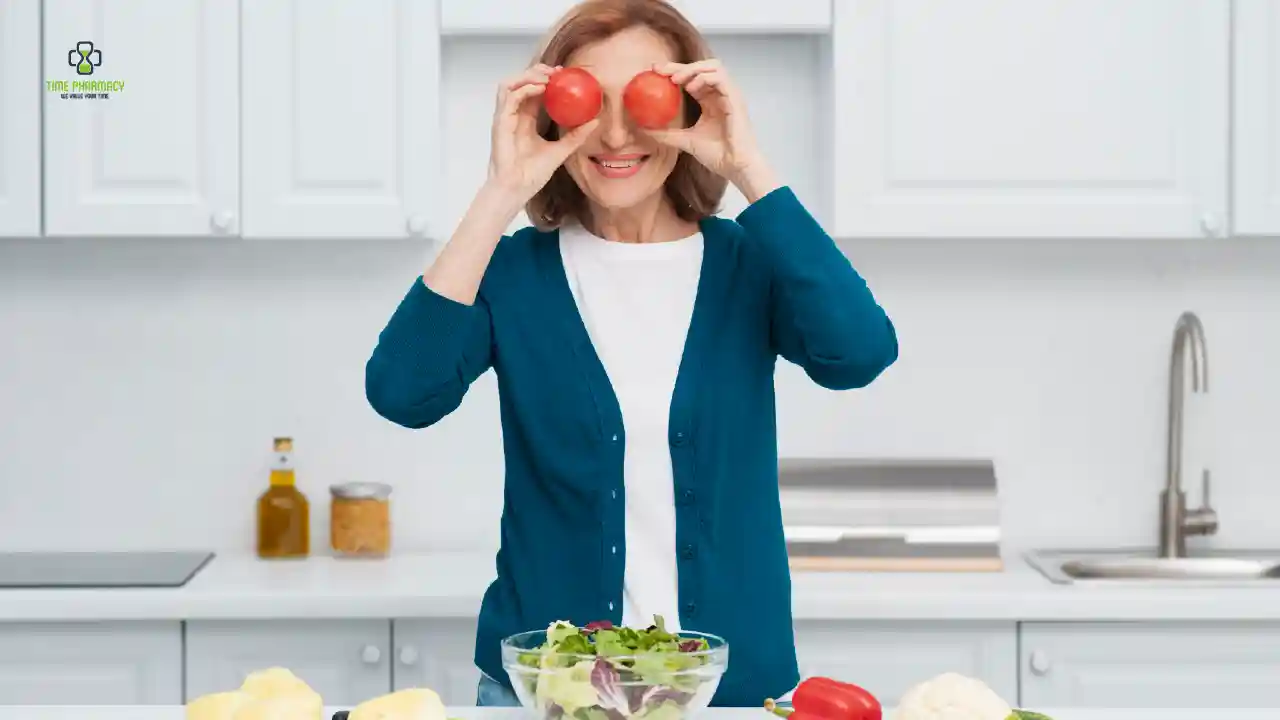
Good nutrition plays an important role in maintaining healthy eyes.
A balanced diet that includes plenty of colorful fruit and vegetables, whole grains, healthy fats, and lean sources of protein provides nutrients that support normal eye function.
Leafy green vegetables, oily fish, citrus fruits, nuts, and seeds contain vitamins, minerals, and antioxidants that contribute to overall eye health.
Eating a varied, balanced diet also supports general health, which benefits your eyes as well.

Long-term exposure to ultraviolet (UV) radiation may increase the risk of certain eye conditions.
When spending time outdoors, wearing sunglasses that provide appropriate UV protection can help reduce exposure to harmful rays.
A wide-brimmed hat may provide additional protection, particularly during bright sunny weather.
Even on cloudy days, UV radiation can still reach your eyes.
Several medical conditions can affect your eyesight.
Conditions such as diabetes and high blood pressure may damage the blood vessels within the eyes if they are not well controlled.
Attending regular health reviews, following prescribed treatment and managing these conditions effectively can help reduce the risk of vision complications.
If you have diabetes, attending recommended diabetic eye screening appointments is particularly important.
Smoking affects many aspects of health, including your eyesight.
Research has shown that smoking increases the risk of several eye conditions, including age-related macular degeneration and cataracts.
Stopping smoking provides benefits for your eyes as well as your heart, lungs and overall wellbeing.
Support is available for people who wish to stop smoking.

Many people spend long periods using computers, tablets and smartphones.
Extended screen use can contribute to digital eye strain, causing symptoms such as dry eyes, blurred vision and headaches.
Taking regular breaks, blinking frequently and ensuring your screen is positioned comfortably can help reduce eye fatigue.
Maintaining good lighting while working may also improve visual comfort.
Dry eyes become more common with age.
Staying hydrated, avoiding excessively dry environments where possible and following professional advice if symptoms develop can help improve comfort.
If you experience persistent dryness, irritation or discomfort, an eye care professional can recommend the most appropriate treatment.
While gradual vision changes are common with ageing, some symptoms require urgent medical assessment.
Seek immediate medical advice if you experience:
Prompt assessment may help prevent permanent vision loss in some situations.
Regular physical activity benefits many parts of the body, including the eyes.
Exercise supports healthy circulation, helps manage blood pressure, and contributes to better control of conditions such as diabetes, all of which play an important role in maintaining healthy vision.
Aim to include regular physical activity as part of an overall healthy lifestyle.
Even if your eyesight seems normal, routine eye examinations remain important as you get older.
You should also arrange an eye examination if you notice blurred vision, increasing difficulty reading, problems driving at night, changes in colour perception or any other change in your eyesight.
Regular professional assessments can identify problems early, often before symptoms become obvious.
Knowing how to maintain optimal eye health as you age involves more than simply wearing the correct glasses. Regular eye examinations, a balanced diet, protection from UV light, managing long-term health conditions and adopting healthy lifestyle habits can all help support good vision throughout later life.
Many age-related eye conditions develop gradually, making early detection especially important. If you notice any changes in your eyesight or have concerns about your eye health, seeking advice from a qualified eye care professional can help protect your vision and support lifelong eye health across the UK.
“Always polite and delivers medication on time. Absolutely love the service they provide and great staff. Keep up the good work ????”
“A fantastic pharmacy. Efficient, helpful staff who deliver within a few hours of prescription being prescribed or less. Absolutely amazing service.”
“Can highly recommend this service, the delivery is so speedy and always reliable, delivered by hand to the door, just amazing, thank you.”
Our eyes change naturally as we get older. While some changes, such as needing reading glasses, are a normal part …
Read More
Heat waves are becoming more frequent across the UK, bringing prolonged periods of unusually high temperatures. While many people enjoy …
Read More
Vitamins play an essential role in keeping your body healthy. They support everything from your immune system and energy production …
Read MoreClick one of our contacts below to chat on WhatsApp