


Can Mosquito Repellent Protect Me Against Malaria?
Malaria is a potentially serious infection transmitted through the bite of infected mosquitoes. It occurs in many tropical and subtropical …
Read More
Vitamins play an essential role in keeping your body healthy. They support everything from your immune system and energy production to bone health, nerve function, and the formation of red blood cells. When your body does not have enough of certain vitamins, it can lead to a wide range of symptoms that may develop gradually and sometimes go unnoticed.
A vitamin deficiency blood test is used to measure the levels of specific vitamins in your blood. It can help identify whether symptoms such as tiredness, weakness, or poor concentration may be linked to a nutritional deficiency. Understanding what this test can detect can help you and your healthcare professional decide on the most appropriate next steps.

A vitamin deficiency blood test is a laboratory test that measures the amount of certain vitamins circulating in your bloodstream.
The test can identify whether your vitamin levels fall within a healthy range or whether you have a deficiency that may require dietary changes, supplements, or further medical assessment.
Depending on your symptoms and medical history, your healthcare professional may request one or several vitamin tests as part of a broader health assessment.

A vitamin deficiency blood test can assess several important vitamins that are essential for normal body function.
Commonly tested vitamins include:
Vitamin D is important for healthy bones, muscles, and the immune system.
Low vitamin D levels may contribute to bone pain, muscle weakness, tiredness, and an increased risk of bone disorders if left untreated.
Vitamin B12 plays a vital role in producing healthy red blood cells and maintaining the normal function of the nervous system.
A deficiency may lead to fatigue, weakness, numbness or tingling in the hands and feet, memory problems and difficulty concentrating.
Folate helps the body produce healthy red blood cells and supports normal cell growth.
Low folate levels may contribute to certain types of anemia and symptoms such as tiredness and reduced energy.
In some situations, healthcare professionals may also assess levels of other vitamins depending on your symptoms, medical history, and clinical assessment.
The exact tests requested will vary from person to person.

Vitamin deficiencies can affect many different parts of the body.
Common symptoms include:
Many of these symptoms can also have other causes, which is why blood testing can be helpful in identifying whether a vitamin deficiency is contributing.

A vitamin deficiency blood test may be considered for people experiencing symptoms that could be linked to nutritional deficiencies.
Testing may also be appropriate for individuals who have conditions that affect nutrient absorption, follow restrictive diets, or have other risk factors that increase the likelihood of vitamin deficiency.
Your healthcare professional will decide whether testing is appropriate based on your symptoms and overall health.
A blood test can confirm whether a vitamin deficiency is present, but it does not always explain why the deficiency has developed.
Further assessment may sometimes be needed to identify underlying causes, such as dietary factors, digestive conditions, or problems affecting nutrient absorption.
Treating the underlying cause is often just as important as correcting the deficiency itself.
A vitamin deficiency blood test is a straightforward procedure.
A healthcare professional takes a small sample of blood from a vein, usually in your arm. The sample is then analyzed in a laboratory to measure the relevant vitamin levels.
Most people can return to their usual activities immediately after the test.
If your results show a vitamin deficiency, your healthcare professional will explain what this means and recommend appropriate treatment.
Depending on the type and severity of the deficiency, treatment may include dietary advice, oral vitamin supplements, or, in some cases, vitamin injections.
Follow-up testing may be recommended to check that treatment has been effective.
Many vitamin deficiencies can be reduced by maintaining a balanced diet that includes a variety of nutrient-rich foods.
However, some people have medical conditions or lifestyle factors that make deficiencies more likely despite eating a healthy diet.
Regular medical reviews and appropriate testing can help identify deficiencies before they lead to more significant health problems.
You should seek professional advice if you experience ongoing tiredness, unexplained weakness, numbness, poor concentration, or other persistent symptoms that do not improve.
A healthcare professional can assess your symptoms, consider possible causes, and decide whether a vitamin deficiency blood test or other investigations may be appropriate.
If you are wondering what a vitamin deficiency blood test can detect, it can identify low levels of important vitamins such as vitamin D, vitamin B12, and folate, helping healthcare professionals investigate symptoms including fatigue, muscle weakness, and neurological changes.
A vitamin deficiency blood test is a valuable diagnostic tool, but it forms only one part of a full clinical assessment. If you have ongoing symptoms or concerns about your nutritional health, speaking with a qualified healthcare professional can help determine whether testing is appropriate and ensure you receive the right advice and care across the UK.
“Always polite and delivers medication on time. Absolutely love the service they provide and great staff. Keep up the good work ????”
“A fantastic pharmacy. Efficient, helpful staff who deliver within a few hours of prescription being prescribed or less. Absolutely amazing service.”
“Can highly recommend this service, the delivery is so speedy and always reliable, delivered by hand to the door, just amazing, thank you.”
Malaria is a potentially serious infection transmitted through the bite of infected mosquitoes. It occurs in many tropical and subtropical …
Read MoreCaffeine is one of the most widely consumed stimulants in the world. It is found naturally in coffee, tea and …
Read More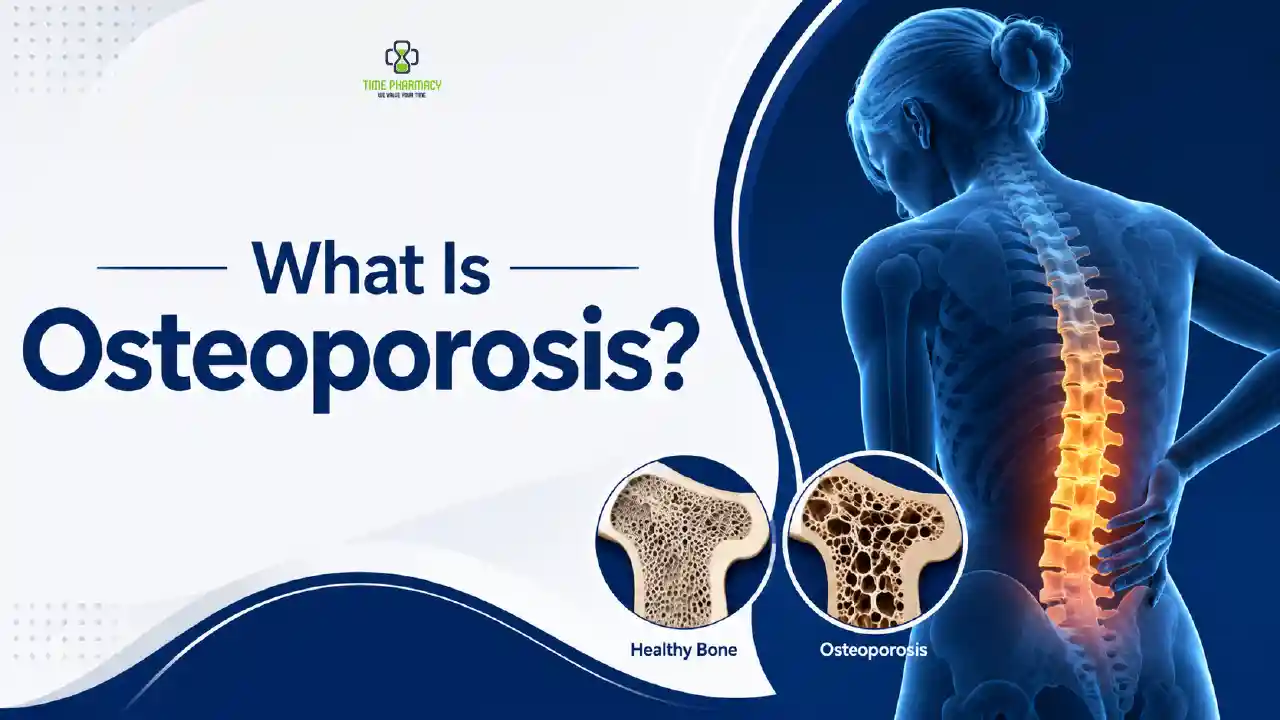
Bones are living tissue that are constantly being broken down and rebuilt throughout your life. During childhood and early adulthood, …
Read More