

How Long Does the Yellow Fever Vaccination Last?
A detailed explanation of protection duration, travel requirements, and what you need to know across the UK Yellow fever is …
Read More
A complete explanation of prescription storage, privacy, audits, and patient rights
Prescriptions are not just pieces of paper used to collect medicines. They are legal medical records that form part of a patient’s permanent healthcare history. Because of this, pharmacies are required by law to store prescription records for specific periods of time and under strict security conditions. These records protect patients, doctors, and pharmacies and allow the NHS to maintain safe and traceable medical care.
Many patients are unaware of how long these records are kept, what happens to their information, and whether they can access it later. This guide explains in full detail “How Long Do Pharmacies Keep Prescriptions?”, why they are kept, and what your rights are as a patient.
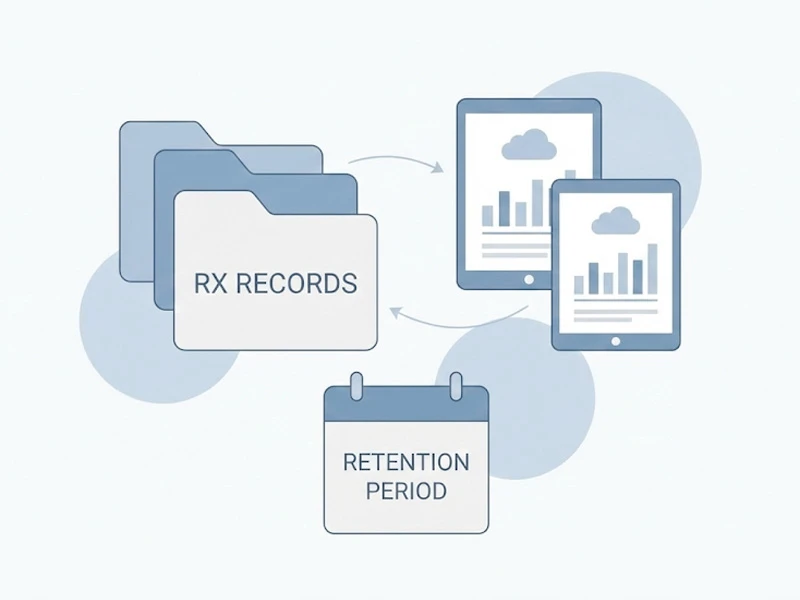
Once your prescription is handed to a pharmacy and your medication is dispensed, the prescription becomes part of the official pharmacy record. It is logged into the pharmacy system, linked to your NHS record, and stored securely. The pharmacy must record what medicine was supplied, in what quantity, on what date, and by which pharmacist.
This record allows future healthcare professionals to see your medication history and helps prevent harmful interactions, duplication of medicines, and dispensing errors.
Under NHS regulations, pharmacies are legally required to keep NHS prescription records for a minimum of two years from the date the medicine was supplied. This applies to both paper prescriptions and electronic prescriptions.
Many pharmacies keep records for much longer than two years as part of their internal safety systems, legal protection, and long-term patient care documentation.
Private prescriptions are often kept even longer, depending on clinical and legal requirements.
Prescription storage exists to protect patients and ensure safe healthcare delivery. These records allow:
🔹Clinical audits to make sure medicines are being prescribed and supplied correctly
🔹Investigation of side effects, allergic reactions or medication recalls
🔹Verification of controlled drug use
🔹Review of long-term medication history
🔹Legal protection for patients and healthcare professionals
Without stored prescription records, safe long-term care would not be possible.
Electronic prescriptions are stored within NHS digital systems and pharmacy software platforms. These records are encrypted, access-restricted, and protected under GDPR and NHS data protection laws. Only authorised healthcare professionals can view them.
Electronic records remain available throughout the legal retention period and are used to maintain continuity of care.
If your medicine is prepared but not collected, the pharmacy will hold it for a limited period, usually between 7 and 14 days. After this time, the medicine may be returned to stock or safely destroyed in line with NHS disposal guidance.
Even if the medicine is never collected, the prescription record itself is still stored for the full legal period.
Yes. Patients have the right to request copies of their prescription history while the records are still stored. This can be useful for travel, insurance claims, specialist referrals, or personal health tracking.
Your pharmacy can provide copies or guide you on making a formal request.
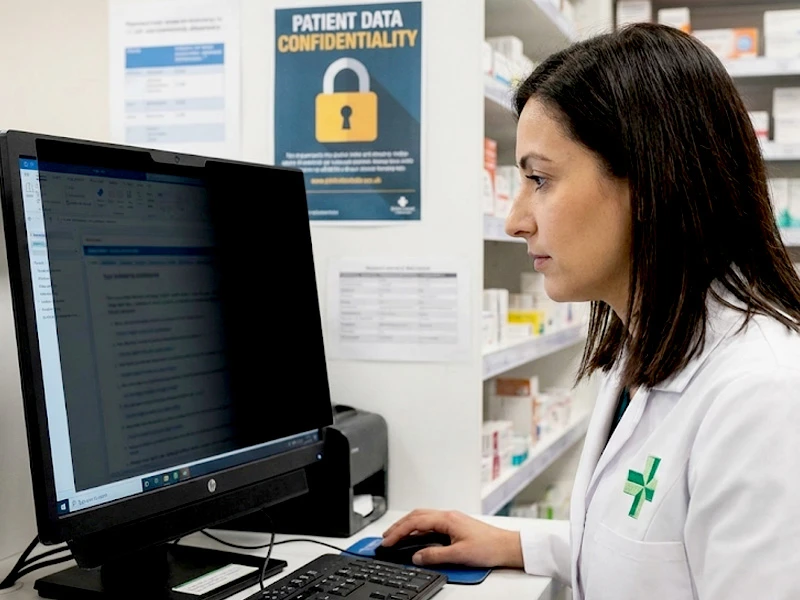
All prescription records are protected under UK data protection law. Pharmacies must store them securely, restrict access to trained staff only, and never share your medical information without your consent unless legally required.
Your personal data is treated as confidential medical information.
Prescriptions are not temporary documents. They are permanent parts of your healthcare record. UK pharmacies are legally required to keep prescription records for at least two years, and often much longer, to protect patient safety, maintain accurate medical history, and support ongoing healthcare.
These records ensure your treatment remains safe, traceable and accountable.
“Always polite and delivers medication on time. Absolutely love the service they provide and great staff. Keep up the good work ????”
“A fantastic pharmacy. Efficient, helpful staff who deliver within a few hours of prescription being prescribed or less. Absolutely amazing service.”
“Can highly recommend this service, the delivery is so speedy and always reliable, delivered by hand to the door, just amazing, thank you.”
A detailed explanation of protection duration, travel requirements, and what you need to know across the UK Yellow fever is …
Read More
If you receive free NHS prescriptions through a Medical Exemption Certificate, it is important to keep it valid. These certificates …
Read More
A detailed explanation of what it is, who it is for, and how it helps patients across the UK Prescription …
Read MoreClick one of our contacts below to chat on WhatsApp