

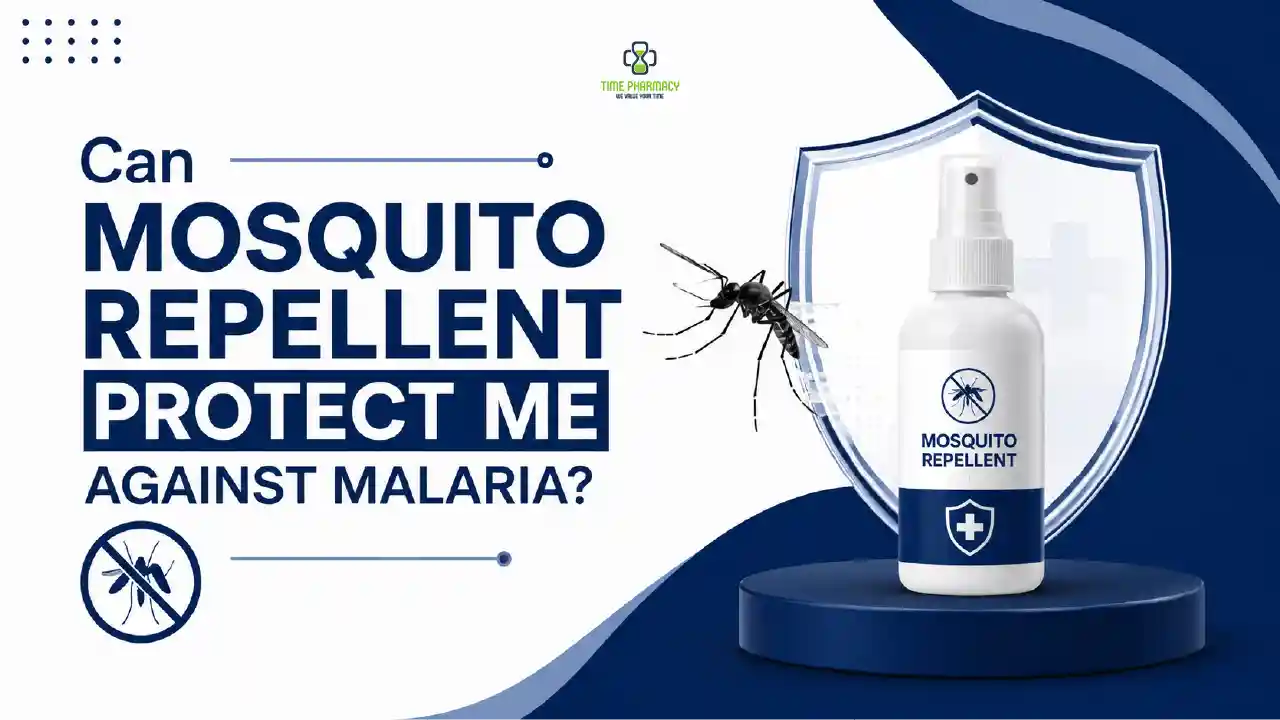
Can Mosquito Repellent Protect Me Against Malaria?
Malaria is a potentially serious infection transmitted through the bite of infected mosquitoes. It occurs in many tropical and subtropical …
Read More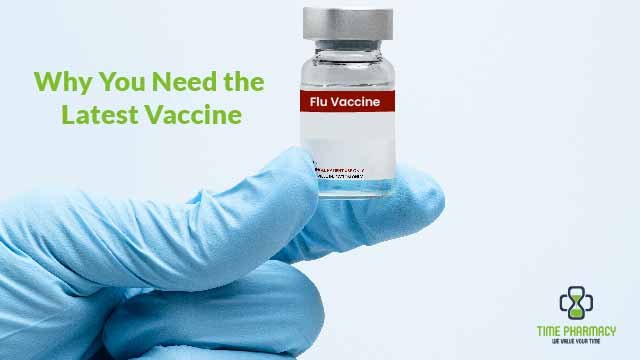
Flu, also known as influenza, is a common viral infection that can spread quickly, especially during colder months when people spend more time indoors. While some people recover with rest and supportive care, flu can lead to more serious illness in certain individuals. Many people ask how the flu spreads and why the latest vaccine is recommended each year.
Understanding how flu spreads and why the vaccine changes can help you make informed decisions about protecting yourself and others.

Flu is a contagious infection caused by influenza viruses that affect the nose, throat and lungs. It is different from the common cold and often causes symptoms that come on more suddenly.
Common symptoms may include fever, chills, body aches, sore throat, tiredness, cough and headaches. Some people may also experience reduced appetite or general weakness.
Because flu can spread easily, prevention plays an important role in reducing illness.

The flu mainly spreads through droplets released when an infected person coughs, sneezes or talks. These droplets can be inhaled by people nearby or land on surfaces that others touch.
The virus may also spread when someone touches a contaminated surface and then touches their face, particularly the nose, mouth or eyes.
This is why flu often spreads quickly in homes, workplaces, schools and shared public spaces.
Flu viruses spread efficiently because infected people can sometimes pass the virus on before they realise they are unwell.
Close contact, shared indoor environments and seasonal conditions can increase transmission.
Because symptoms can appear suddenly, the virus may already have spread before precautions are taken.

Flu viruses change over time. This means the strains circulating this year may not be the same as those seen previously.
The flu vaccine is updated regularly to match the strains expected to be most common during the current flu season. This helps improve protection against the viruses most likely to spread.
Because immunity may also reduce over time, yearly vaccination helps maintain protection.
Flu vaccination is particularly important for people who may be more vulnerable to complications from influenza. This may include older adults, pregnant individuals, people with certain health conditions and others identified through vaccination programmes.
A healthcare professional can advise whether flu vaccination is recommended based on your circumstances.

No vaccine can guarantee complete protection, but flu vaccination can reduce the risk of becoming unwell and may also reduce the severity of illness if flu occurs.
It also helps reduce the spread of infection within families and communities.
Alongside vaccination, simple hygiene measures can help reduce flu transmission.
Regular handwashing, covering coughs and sneezes, cleaning commonly touched surfaces and avoiding close contact when unwell can all help reduce spread.
These everyday habits support overall infection control.
If you are wondering how the flu spreads and why you need the latest vaccine, the answer lies in how easily influenza spreads and how frequently the virus changes. Annual vaccination helps improve protection against current strains and supports wider public health.
If you would like advice about flu vaccination or seasonal protection, speaking with a healthcare professional can help you understand the options available across the UK.
“Always polite and delivers medication on time. Absolutely love the service they provide and great staff. Keep up the good work ????”
“A fantastic pharmacy. Efficient, helpful staff who deliver within a few hours of prescription being prescribed or less. Absolutely amazing service.”
“Can highly recommend this service, the delivery is so speedy and always reliable, delivered by hand to the door, just amazing, thank you.”
Malaria is a potentially serious infection transmitted through the bite of infected mosquitoes. It occurs in many tropical and subtropical …
Read MoreCaffeine is one of the most widely consumed stimulants in the world. It is found naturally in coffee, tea and …
Read More
Bones are living tissue that are constantly being broken down and rebuilt throughout your life. During childhood and early adulthood, …
Read More