


Can Mosquito Repellent Protect Me Against Malaria?
Malaria is a potentially serious infection transmitted through the bite of infected mosquitoes. It occurs in many tropical and subtropical …
Read More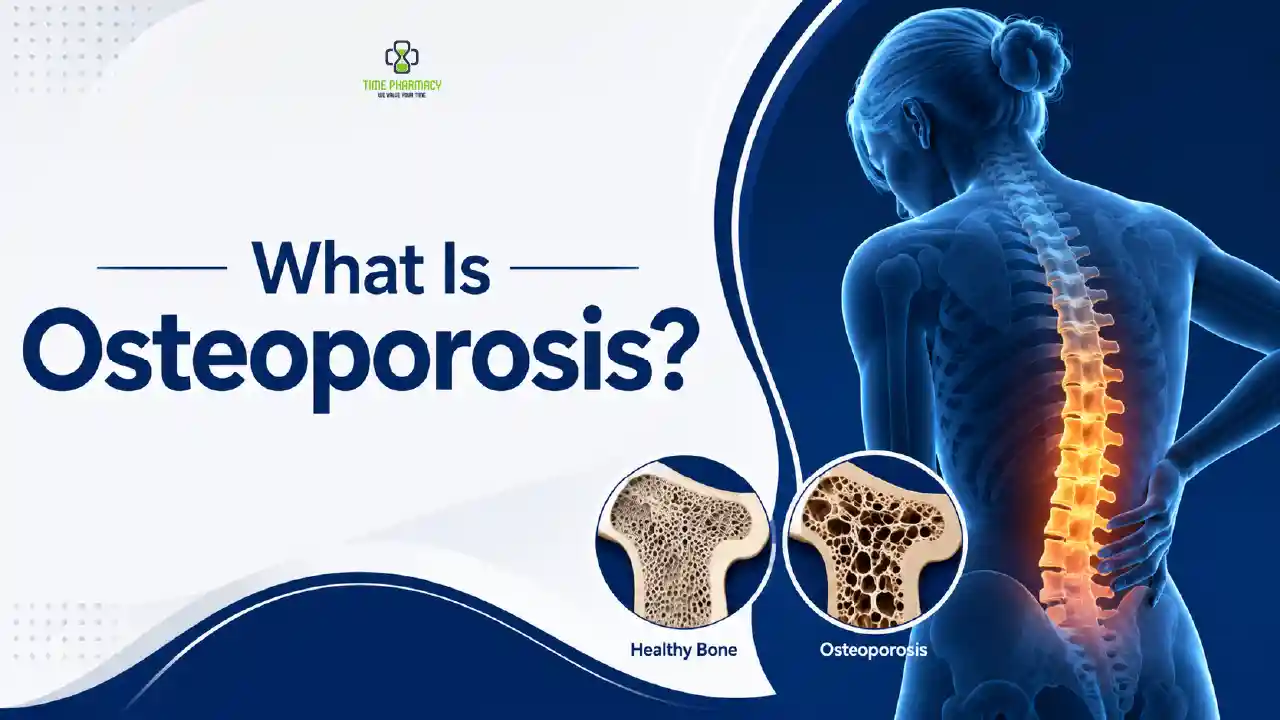
Bones are living tissue that are constantly being broken down and rebuilt throughout your life. During childhood and early adulthood, new bone is produced faster than old bone is removed, helping bones become stronger and denser. As we age, this natural process changes. Bone is gradually lost more quickly than it is replaced, increasing the risk of weakened bones and fractures.
Many people ask “What is osteoporosis?” because it often develops silently without obvious symptoms until a bone breaks. Understanding osteoporosis, its risk factors and how it can be managed is important for maintaining bone health and reducing the likelihood of fractures later in life.
Osteoporosis is a condition that causes bones to become weaker, less dense and more fragile.
Healthy bones have a strong internal structure that allows them to withstand everyday stresses. In osteoporosis, the internal bone tissue becomes thinner and more porous, making bones more likely to break even after a minor fall or injury.
Although osteoporosis is more common in older adults, it can affect people of different ages depending on their individual risk factors.

Bone is continually renewed through a process known as bone remodelling.
As people get older, particularly after the age of 50, the balance between bone breakdown and bone formation changes. When bone is lost faster than it is replaced, bone density gradually decreases.
Several factors may contribute to the development of osteoporosis, including:
Often, osteoporosis develops because several risk factors occur together.
Osteoporosis is sometimes called a “silent condition” because it usually develops without noticeable symptoms.
Many people only discover they have osteoporosis after experiencing a fracture.
As the condition progresses, symptoms may include:
These symptoms should always be assessed by a healthcare professional.
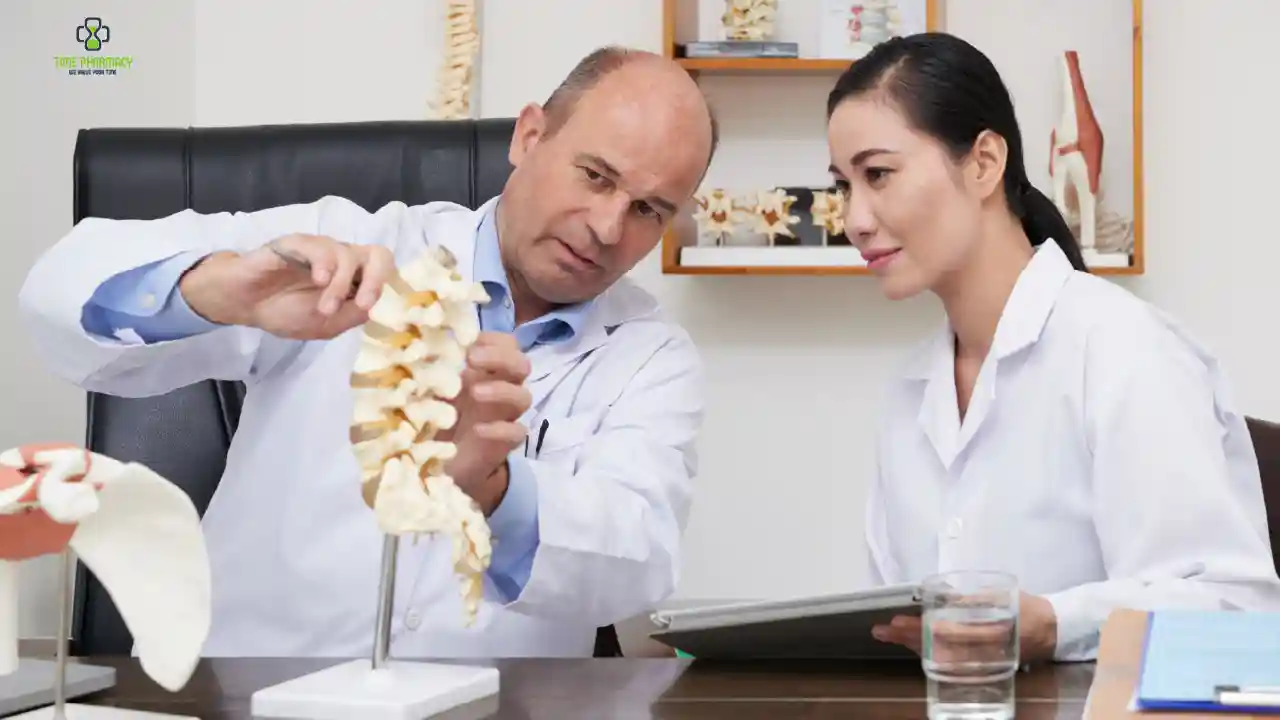
Although osteoporosis can affect the entire skeleton, fractures most commonly occur in areas that bear weight or are more vulnerable during falls.
These include:
Fractures involving the hip and spine can significantly affect mobility, independence, and overall quality of life, particularly in older adults.
Several factors increase the likelihood of developing osteoporosis.
Higher-risk groups include:
Having one or more risk factors does not necessarily mean you will develop osteoporosis, but it may increase your likelihood.
If osteoporosis is suspected, a healthcare professional will assess your medical history, fracture risk and overall health.
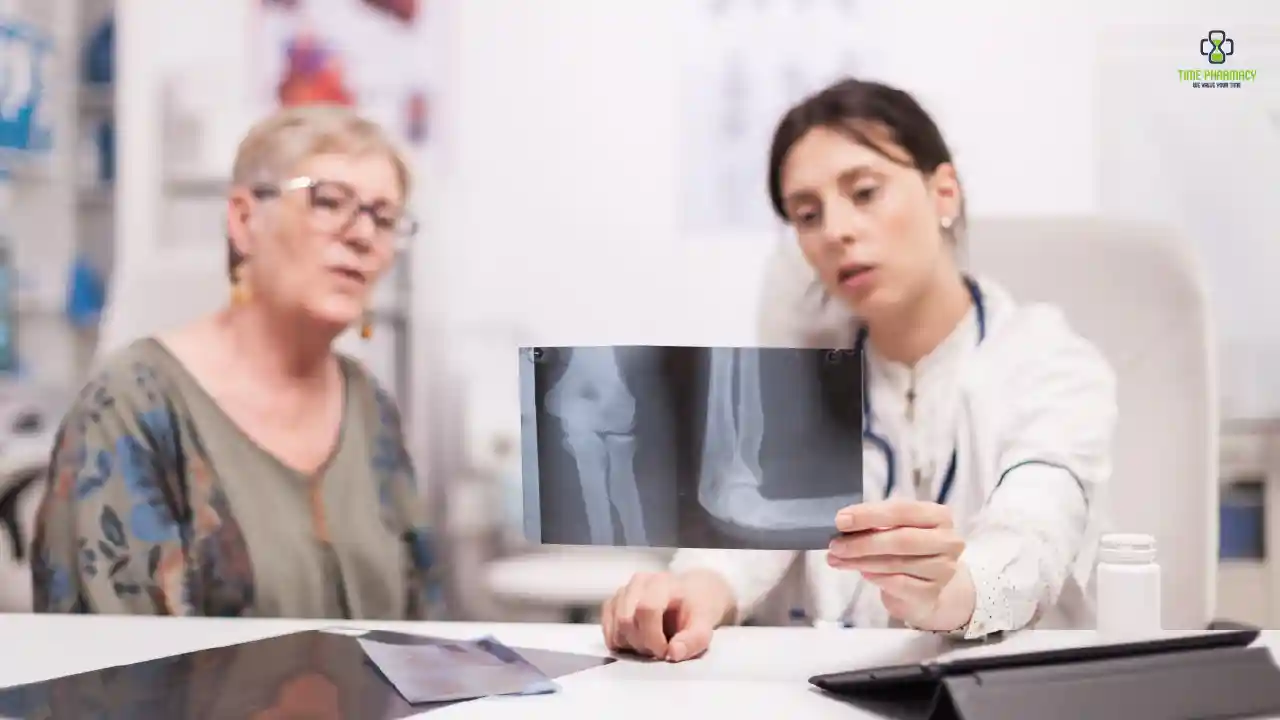
Diagnosis commonly involves a DEXA (dual-energy X-ray absorptiometry) scan, which measures bone mineral density.
The results help determine whether your bone density falls within the normal range or whether osteoporosis or reduced bone density is present.
Additional blood tests may sometimes be performed to investigate possible underlying causes of bone loss.
Although osteoporosis cannot usually be completely reversed, treatments can help strengthen bones, reduce further bone loss, and lower the risk of fractures.
Treatment may include:
The most suitable treatment depends on your individual risk factors, age and bone density results.
Maintaining healthy bones throughout life can reduce the risk of osteoporosis.
Helpful lifestyle habits include:
These habits benefit bone health as well as overall wellbeing.
It is not always possible to prevent osteoporosis completely, particularly when ageing or genetic factors are involved.
However, adopting healthy lifestyle habits early in life and maintaining them as you age can help preserve bone strength and reduce the risk of fractures.
People with known risk factors may benefit from earlier assessment and ongoing monitoring under the guidance of a healthcare professional.
You should speak with a healthcare professional if you:
Early assessment may allow osteoporosis to be identified before serious fractures occur.
If you are wondering what osteoporosis is, it is a condition that causes bones to become more fragile, increasing the risk of fractures. Because osteoporosis often develops without symptoms, many people are unaware they have it until a bone breaks.
Maintaining a healthy lifestyle, ensuring adequate calcium and vitamin D intake, staying physically active and attending medical assessments when appropriate can all help support long-term bone health. If you have concerns about osteoporosis or believe you may be at increased risk, speaking with a qualified healthcare professional can help you receive appropriate assessment, advice and treatment across the UK.
“Always polite and delivers medication on time. Absolutely love the service they provide and great staff. Keep up the good work ????”
“A fantastic pharmacy. Efficient, helpful staff who deliver within a few hours of prescription being prescribed or less. Absolutely amazing service.”
“Can highly recommend this service, the delivery is so speedy and always reliable, delivered by hand to the door, just amazing, thank you.”
Malaria is a potentially serious infection transmitted through the bite of infected mosquitoes. It occurs in many tropical and subtropical …
Read MoreCaffeine is one of the most widely consumed stimulants in the world. It is found naturally in coffee, tea and …
Read More
Bones are living tissue that are constantly being broken down and rebuilt throughout your life. During childhood and early adulthood, …
Read More