


Can Mosquito Repellent Protect Me Against Malaria?
Malaria is a potentially serious infection transmitted through the bite of infected mosquitoes. It occurs in many tropical and subtropical …
Read MoreCaffeine is one of the most widely consumed stimulants in the world. It is found naturally in coffee, tea and cocoa, and is also added to many soft drinks, energy drinks and some medications. While moderate caffeine intake is considered safe for most healthy adults, many people who are trying to conceive wonder whether caffeine could affect their fertility.
The relationship between caffeine and fertility has been studied for many years, but research has produced mixed findings. Current evidence suggests that moderate caffeine consumption is unlikely to have a significant impact on fertility for most people. However, excessive caffeine intake may be associated with reproductive health concerns, and healthcare professionals often recommend limiting caffeine when planning a pregnancy.
Caffeine is a natural stimulant that affects the central nervous system.
It works by blocking the effects of adenosine, a chemical that promotes sleep, helping you feel more alert and awake. Caffeine is commonly found in:
The amount of caffeine varies considerably depending on the product and serving size.
Current research has not shown consistent evidence that moderate caffeine intake significantly reduces a woman’s chances of becoming pregnant.
However, some studies have suggested that consuming high amounts of caffeine may be associated with a longer time to conception. Other studies have found little or no effect.
Because the available evidence is not entirely consistent, healthcare professionals generally recommend avoiding excessive caffeine intake when trying to conceive.
It is also important to remember that many other factors, including age, overall health, body weight, smoking and underlying medical conditions, have a much greater influence on fertility.
Researchers have also investigated whether caffeine affects male fertility.
Most evidence suggests that moderate caffeine intake has little effect on sperm count, sperm movement or overall fertility in healthy men.
Some studies have explored whether very high caffeine consumption, particularly from energy drinks, may influence certain aspects of sperm quality, but the findings remain inconsistent.
Maintaining a healthy lifestyle overall is generally considered more important for male fertility than eliminating moderate amounts of caffeine.
For most healthy adults, moderate caffeine consumption is generally considered safe.
If you are trying to become pregnant or are already pregnant, healthcare professionals usually recommend limiting caffeine intake in line with current UK guidance.
Remember that caffeine can come from multiple sources throughout the day, not just coffee.
For most people, there is no strong evidence that completely avoiding coffee will improve fertility.
Instead, healthcare professionals generally advise keeping caffeine intake within recommended limits while focusing on other lifestyle factors that have a stronger influence on reproductive health.
If you consume large amounts of caffeine every day, reducing your intake gradually may be more comfortable than stopping suddenly, as abrupt withdrawal can cause headaches and fatigue.
Fertility is influenced by many different factors.
Lifestyle habits that support reproductive health include:
Addressing these factors is generally more beneficial than focusing on caffeine alone.
Yes.
Once pregnancy has been confirmed, limiting caffeine intake becomes particularly important because caffeine crosses the placenta, and the developing baby cannot process it as efficiently as adults.
Following NHS guidance on recommended caffeine limits during pregnancy can help reduce potential risks.
If you are planning a pregnancy, becoming familiar with these recommendations beforehand may be helpful.
If you are undergoing fertility treatment, your fertility specialist may recommend specific lifestyle changes based on your individual circumstances.
These recommendations may include advice about diet, weight management, smoking, alcohol and caffeine intake.
Following personalised medical advice is important, as every fertility journey is different.
If you have been trying to conceive without success or have concerns about your fertility, it is important to seek professional advice.
A healthcare professional can assess both partners, discuss lifestyle factors and investigate possible underlying causes of fertility difficulties if appropriate.
Early assessment may help identify treatable conditions and guide the most suitable next steps.
If you are wondering whether caffeine affects your fertility, current evidence suggests that moderate caffeine consumption is unlikely to have a significant effect on fertility for most healthy adults. However, excessive caffeine intake may not be advisable, particularly when planning a pregnancy or during pregnancy itself.
Rather than focusing on caffeine alone, maintaining a healthy lifestyle, eating a balanced diet, avoiding smoking, limiting alcohol and seeking medical advice when needed are the most effective ways to support reproductive health. If you have concerns about your fertility or are planning a pregnancy, a qualified healthcare professional can provide personalised advice and guidance across the UK.
“Always polite and delivers medication on time. Absolutely love the service they provide and great staff. Keep up the good work ????”
“A fantastic pharmacy. Efficient, helpful staff who deliver within a few hours of prescription being prescribed or less. Absolutely amazing service.”
“Can highly recommend this service, the delivery is so speedy and always reliable, delivered by hand to the door, just amazing, thank you.”
Malaria is a potentially serious infection transmitted through the bite of infected mosquitoes. It occurs in many tropical and subtropical …
Read MoreCaffeine is one of the most widely consumed stimulants in the world. It is found naturally in coffee, tea and …
Read More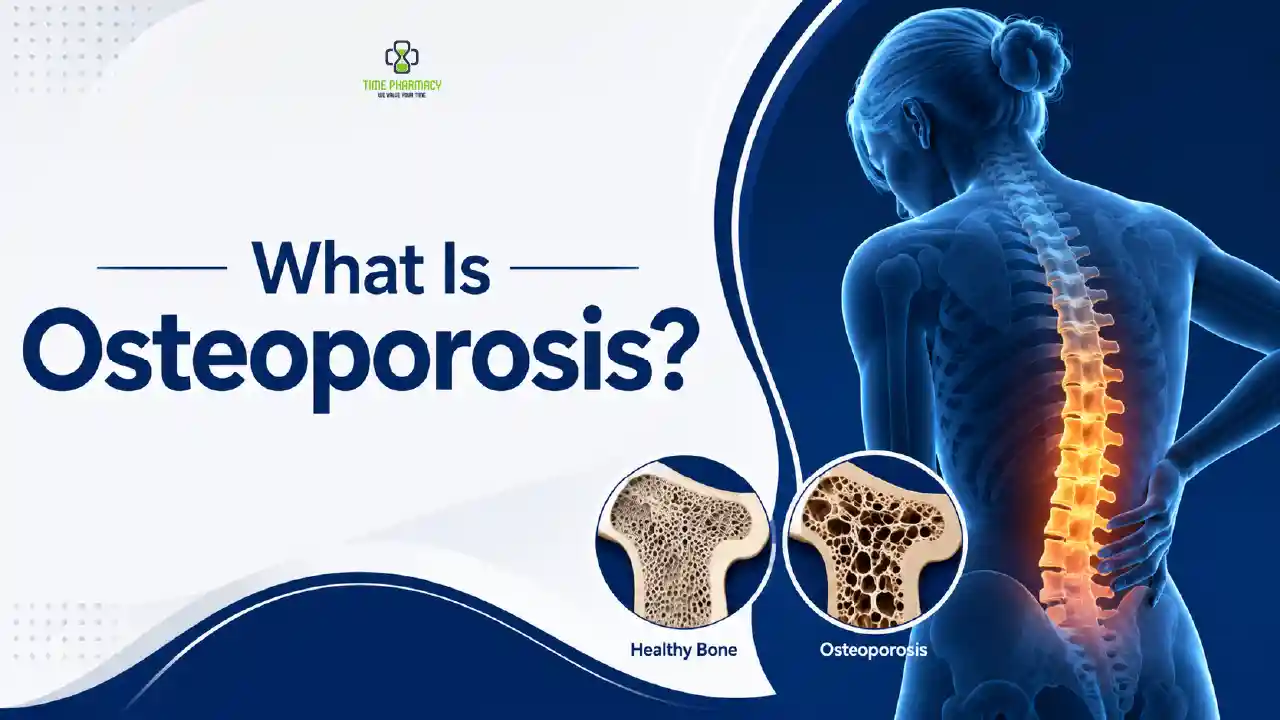
Bones are living tissue that are constantly being broken down and rebuilt throughout your life. During childhood and early adulthood, …
Read More