

Can Mosquito Repellent Protect Me Against Malaria?
Malaria is a potentially serious infection transmitted through the bite of infected mosquitoes. It occurs in many tropical and subtropical …
Read More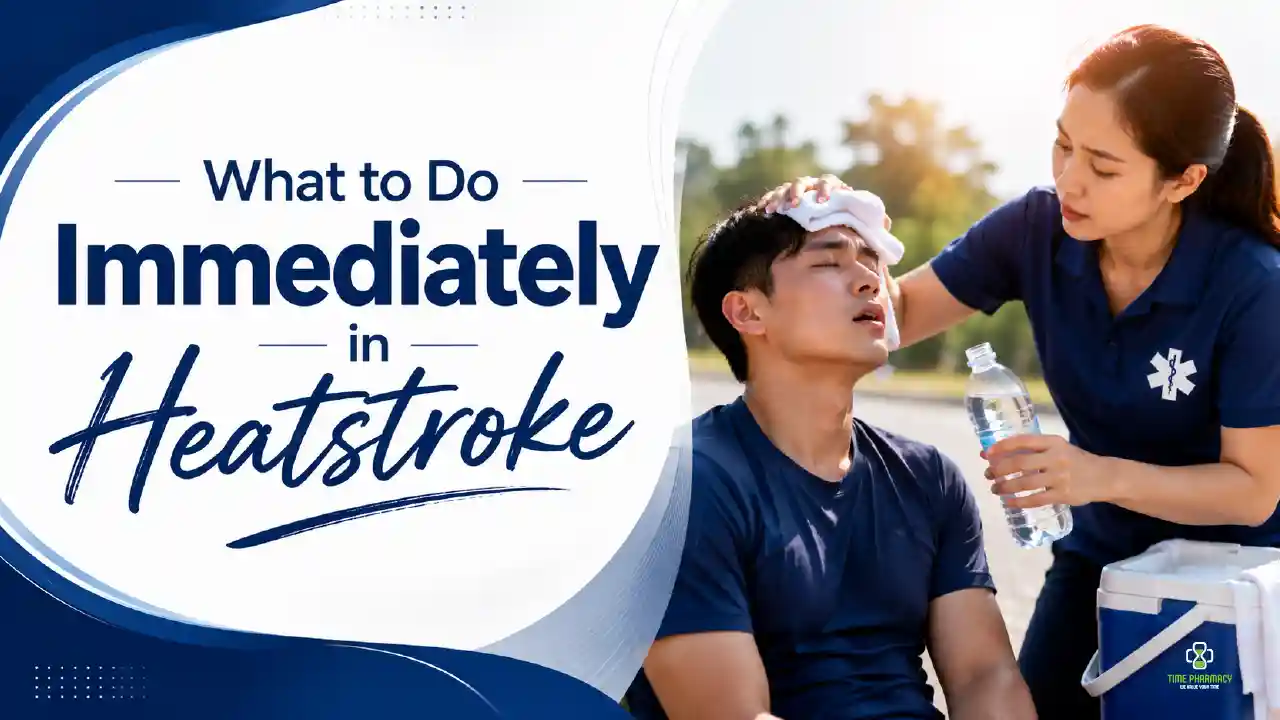
Heatstroke is one of the most serious heat-related illnesses and requires immediate medical attention. It occurs when the body’s temperature rises to a dangerously high level, and it can no longer cool itself effectively. Without prompt treatment, heatstroke can damage the brain, heart, kidneys, and other vital organs, and it can become life-threatening.
Knowing what to do immediately in heatstroke can make a significant difference while waiting for emergency medical help. Recognising the warning signs early and acting quickly is essential to reduce the risk of serious complications.
Heatstroke is a medical emergency that develops when the body’s core temperature becomes dangerously high, usually due to prolonged exposure to high temperatures, strenuous physical activity in hot weather, or both.
Unlike heat exhaustion, heatstroke affects the body’s ability to regulate temperature and may lead to confusion, loss of consciousness, and organ damage if treatment is delayed.
Heatstroke should always be treated as an emergency.

Symptoms of heatstroke may develop suddenly or progress from untreated heat exhaustion.
Common signs include:
Some people may continue sweating, while others may have hot, dry skin. The absence of sweating does not rule out heatstroke.
If you suspect someone has heatstroke, call 999 immediately.
Do not delay seeking emergency medical assistance while attempting to cool the person.
Heatstroke is a life-threatening condition that requires urgent assessment and treatment by healthcare professionals.

While waiting for emergency services to arrive, move the person away from direct sunlight into a cool, shaded, or air-conditioned area if it is safe to do so.
Reducing further exposure to heat is one of the first steps in helping lower body temperature.
Loosen or remove unnecessary clothing to allow heat to escape more easily.
Start cooling the person as quickly as possible while waiting for medical help.
You can do this by:
The aim is to begin lowering body temperature safely until emergency medical professionals take over.
Avoid using ice directly on the skin, particularly in older adults or very young children, unless advised by healthcare professionals.

If the person is fully awake, able to swallow safely, and not confused, small sips of cool water may be offered.
However, do not force fluids if the person is drowsy, confused, vomiting, or struggling to swallow, as this could increase the risk of choking.
Continue observing the person’s condition while waiting for emergency services.
Pay attention to:
If the person becomes unconscious and is breathing normally, place them in the recovery position.
If they stop breathing normally, begin cardiopulmonary resuscitation (CPR) if you are trained to do so and follow the instructions provided by the emergency call handler.

Anyone can develop heatstroke, but some people are more vulnerable.
Higher-risk groups include:
Extra precautions are particularly important for these groups during periods of extreme heat.
Preventing heatstroke begins with avoiding excessive heat exposure.
During hot weather:
Recognising the early symptoms of heat exhaustion and taking action promptly may help prevent progression to heatstroke.
Heatstroke always requires urgent emergency medical care.
Do not attempt to manage suspected heatstroke at home without contacting emergency services.
Immediate medical assessment is essential if someone develops confusion, collapses, experiences seizures, loses consciousness, or shows other signs of heatstroke during hot weather.
Rapid treatment can significantly reduce the risk of serious complications.
Knowing what to do immediately in heatstroke could help save a life. Calling 999 without delay, moving the person to a cooler environment, beginning safe cooling measures, and monitoring their condition while waiting for emergency services are the most important first-aid steps.
Heatstroke is a medical emergency and should never be ignored. During periods of hot weather, taking sensible precautions and recognising the warning signs early can help protect both you and those around you across the UK.
“Always polite and delivers medication on time. Absolutely love the service they provide and great staff. Keep up the good work ????”
“A fantastic pharmacy. Efficient, helpful staff who deliver within a few hours of prescription being prescribed or less. Absolutely amazing service.”
“Can highly recommend this service, the delivery is so speedy and always reliable, delivered by hand to the door, just amazing, thank you.”
Malaria is a potentially serious infection transmitted through the bite of infected mosquitoes. It occurs in many tropical and subtropical …
Read MoreCaffeine is one of the most widely consumed stimulants in the world. It is found naturally in coffee, tea and …
Read More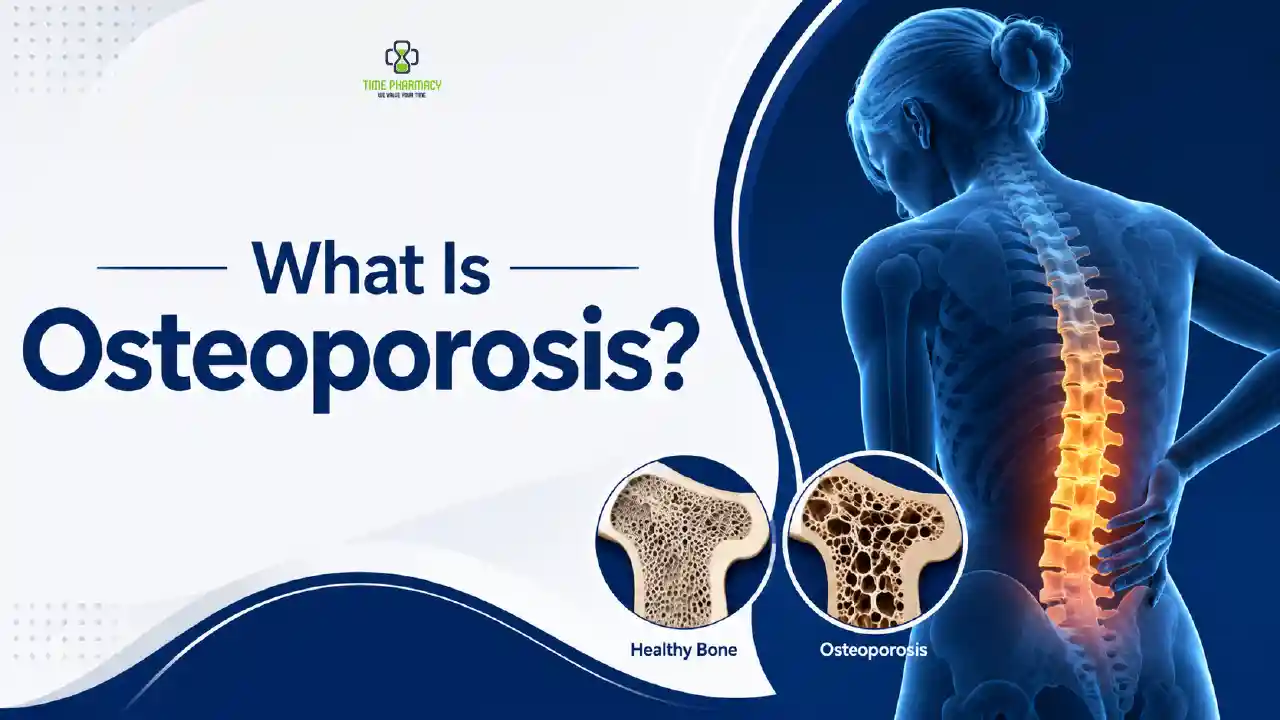
Bones are living tissue that are constantly being broken down and rebuilt throughout your life. During childhood and early adulthood, …
Read MoreClick one of our contacts below to chat on WhatsApp