

Can Mosquito Repellent Protect Me Against Malaria?
Malaria is a potentially serious infection transmitted through the bite of infected mosquitoes. It occurs in many tropical and subtropical …
Read More Malaria is a potentially serious infection transmitted through the bite of infected mosquitoes. It occurs in many tropical and subtropical parts of the world, which means malaria prevention should be an important part of planning travel to certain destinations.
One of the most common questions before travelling is: Can mosquito repellent protect me against malaria?
Mosquito repellent can significantly reduce your risk of being bitten and is an important part of malaria prevention. However, repellent cannot guarantee protection against malaria and should not be relied upon as your only precaution. Depending on where you are travelling, you may also be advised to take antimalarial tablets and use additional bite-prevention measures. Current UK guidance emphasises bite prevention for travellers to malaria-risk areas, alongside antimalarial medication where this is recommended following an individual risk assessment.
Malaria is an infection caused by Plasmodium parasites. It is usually transmitted to humans through the bite of an infected female Anopheles mosquito.
Malaria can cause symptoms including fever, chills, sweating, headaches, muscle aches and generally feeling very unwell. Some forms can progress rapidly and become life-threatening if treatment is delayed.
Unlike illnesses that can be prevented with a routine vaccination, malaria prevention for UK travellers generally relies on understanding the destination-specific risk, avoiding mosquito bites and taking antimalarial medication when recommended.
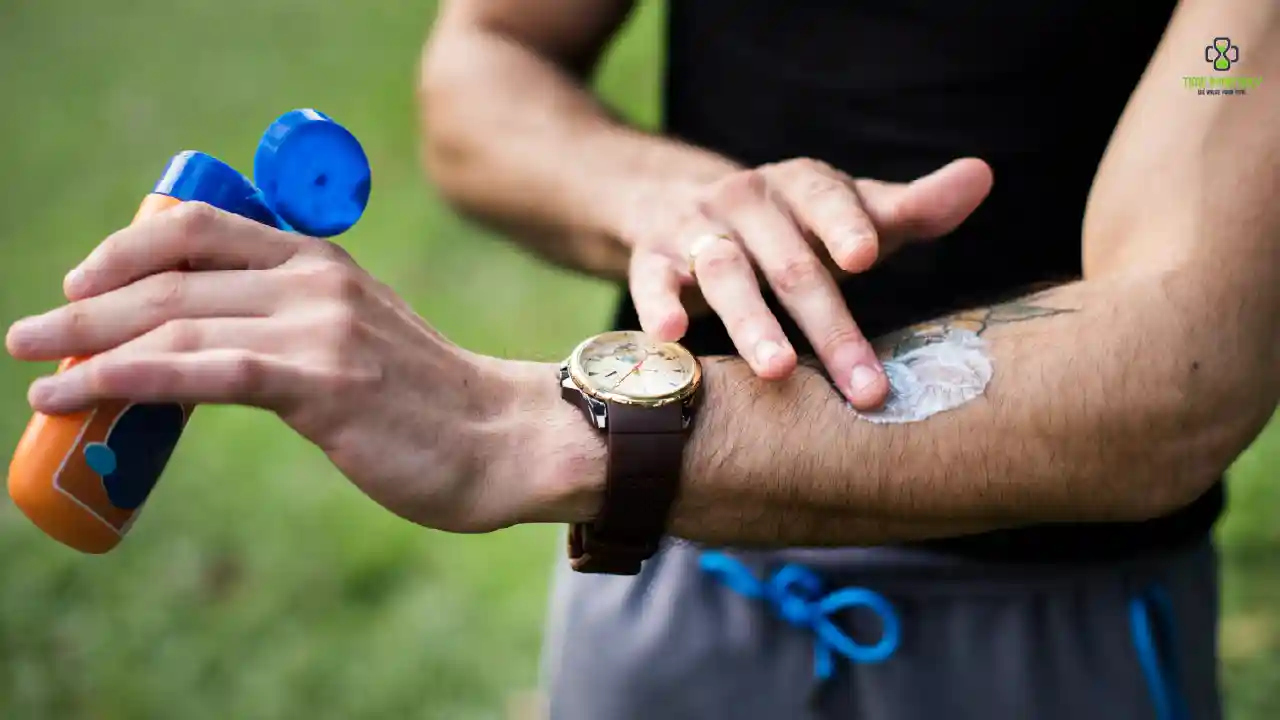
Mosquito repellent does not kill the malaria parasite or treat malaria. Instead, it helps prevent the mosquito bite through which the parasite can enter your body.
This makes an effective insect repellent an important first line of defence.
The mosquitoes responsible for transmitting malaria mainly bite from dusk to dawn, although travellers should maintain appropriate bite precautions throughout the day because other mosquito-borne infections can be transmitted by mosquitoes that bite during daylight hours.
For UK travellers, current UK Malaria Expert Advisory Group guidance recommends a 50% DEET-based insect repellent as the first choice, where available and suitable.
If DEET is not tolerated or preferred, recommended alternatives include appropriate products containing icaridin (picaridin), eucalyptus citriodora oil hydrated cyclised, or IR3535. UK guidance advises following the individual product instructions and reapplying repellent when necessary.
Not every product marketed as “natural” provides the same protection. For example, citronella-based products generally provide relatively short-lived protection and are not recommended by UKMEAG as a reliable alternative for malaria bite prevention.

No. Repellent is important, but it should not automatically be considered sufficient protection on its own.
The precautions you need depend on your destination, itinerary, length of stay, accommodation, medical history and individual malaria risk.
For some destinations, UK guidance recommends rigorous mosquito-bite avoidance and awareness of malaria symptoms. For other destinations or areas, antimalarial tablets may also be recommended.
This is why obtaining destination-specific travel health advice before travelling is important.
Possibly.
Whether you need antimalarial medication depends primarily on where you are travelling and your individual circumstances. Recommendations can differ even between regions within the same country.
Common antimalarial medicines used for prevention include atovaquone/proguanil, doxycycline, and mefloquine. The appropriate option depends on the destination and individual factors, including medical history, other medicines, allergies, pregnancy and potential side effects.
Antimalarial tablets should therefore be selected after an appropriate travel-health risk assessment rather than chosen on your own.
Current UK guidance states that correctly taken chemoprophylaxis can reduce malaria risk substantially, particularly when combined with effective bite avoidance.
Repellent should be applied to exposed areas of skin according to the manufacturer’s directions.
Make sure exposed areas are adequately covered and reapply the product when required, particularly if you have been sweating heavily or swimming.
When using both sunscreen and DEET, current UK guidance advises applying sunscreen first and DEET afterwards. UKMEAG also advises using SPF 30 to 50 sunscreen because DEET may reduce sunscreen protection.
Avoid getting repellent in your eyes or mouth and follow all instructions provided with the product.
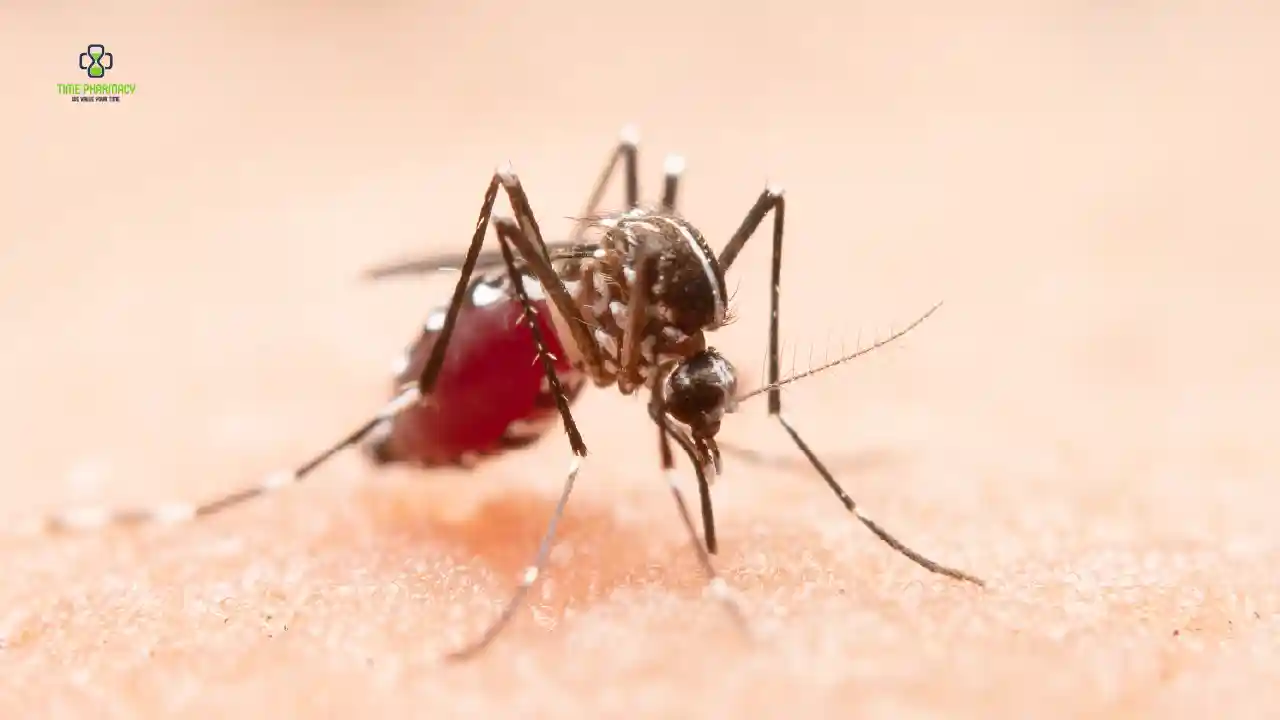
Repellent works most effectively as part of a wider mosquito-bite prevention strategy.
Wear clothing that covers exposed skin where practical, particularly during periods when malaria-carrying mosquitoes are most active.
If your accommodation is not adequately screened or air-conditioned, sleeping under an insecticide-treated mosquito net can provide additional protection. Doors and windows should also have intact screens where possible.
Using several protective measures together is more effective than depending on one measure alone.
Pregnancy requires particular care because malaria can pose serious risks to both the pregnant traveller and their pregnancy.
Current UK guidance states that there is no evidence that pregnant women are at increased risk from correctly using 50% DEET, and DEET is recommended for mosquito-bite prevention when appropriate.
However, pregnancy can also affect decisions about travel to malaria-risk areas and the choice of antimalarial medication.
If you are pregnant, breastfeeding or planning a pregnancy, obtain personalised travel-health advice well before travelling.
Children also need effective protection against mosquito bites when travelling to malaria-risk areas.
Current UK guidance states that 50% DEET can be used in children over two months of age when used appropriately. For babies under two months, parents and carers should obtain professional advice and rely particularly carefully on physical barriers such as appropriate clothing and mosquito nets.
Always follow the instructions supplied with the individual repellent.

Ideally, travel health planning should begin several weeks before departure.
Your malaria risk can depend on much more than the country name. The particular region you are visiting, season, accommodation, planned activities, and length of stay can all influence the advice you receive.
A travel-health professional can review your itinerary and determine whether you need:
UK guidance recommends an individual pre-travel risk assessment because malaria prevention should be tailored to the traveller and their itinerary.
Malaria symptoms should never be ignored.
If you develop a fever of 38°C or above, flu-like symptoms or unexplained illness while travelling in or after returning from a malaria-risk area, seek urgent medical attention and tell the healthcare professional about your recent travel.
Do not wait until you return to the UK if you become unwell while abroad. UKHSA guidance describes suspected malaria as a medical emergency that needs to be excluded or treated promptly.
So, can mosquito repellent protect you against malaria? Yes, an effective mosquito repellent can significantly reduce your chance of being bitten and is an essential part of malaria prevention. However, it does not provide complete protection and may need to be combined with antimalarial tablets and other mosquito-bite precautions depending on your destination.
Before travelling to an area where malaria occurs, check current travel-health guidance and obtain an individual risk assessment. Preparing before you travel, using an appropriate repellent correctly, covering exposed skin and taking prescribed antimalarial medication when recommended can all help reduce your risk.
For personalised travel-health and malaria-prevention advice, you can speak with a qualified healthcare professional before your journey.
“Always polite and delivers medication on time. Absolutely love the service they provide and great staff. Keep up the good work ????”
“A fantastic pharmacy. Efficient, helpful staff who deliver within a few hours of prescription being prescribed or less. Absolutely amazing service.”
“Can highly recommend this service, the delivery is so speedy and always reliable, delivered by hand to the door, just amazing, thank you.”
Malaria is a potentially serious infection transmitted through the bite of infected mosquitoes. It occurs in many tropical and subtropical …
Read MoreCaffeine is one of the most widely consumed stimulants in the world. It is found naturally in coffee, tea and …
Read More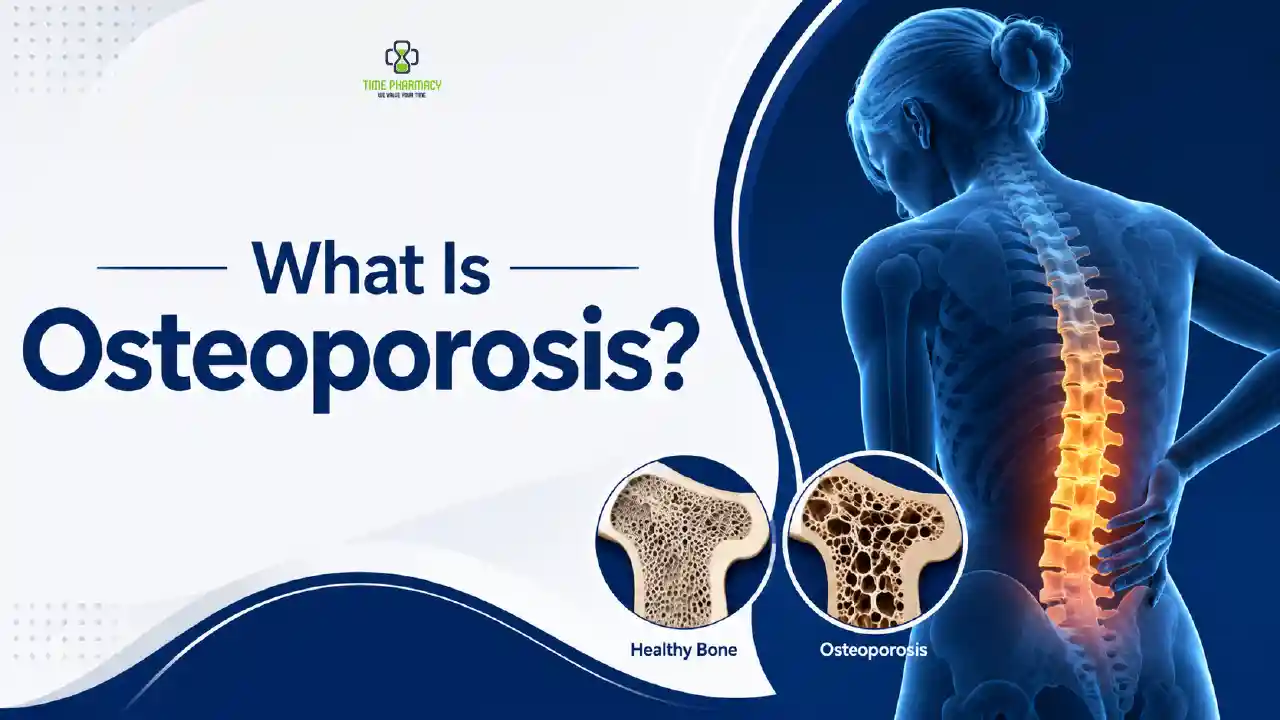
Bones are living tissue that are constantly being broken down and rebuilt throughout your life. During childhood and early adulthood, …
Read More