


Can Mosquito Repellent Protect Me Against Malaria?
Malaria is a potentially serious infection transmitted through the bite of infected mosquitoes. It occurs in many tropical and subtropical …
Read More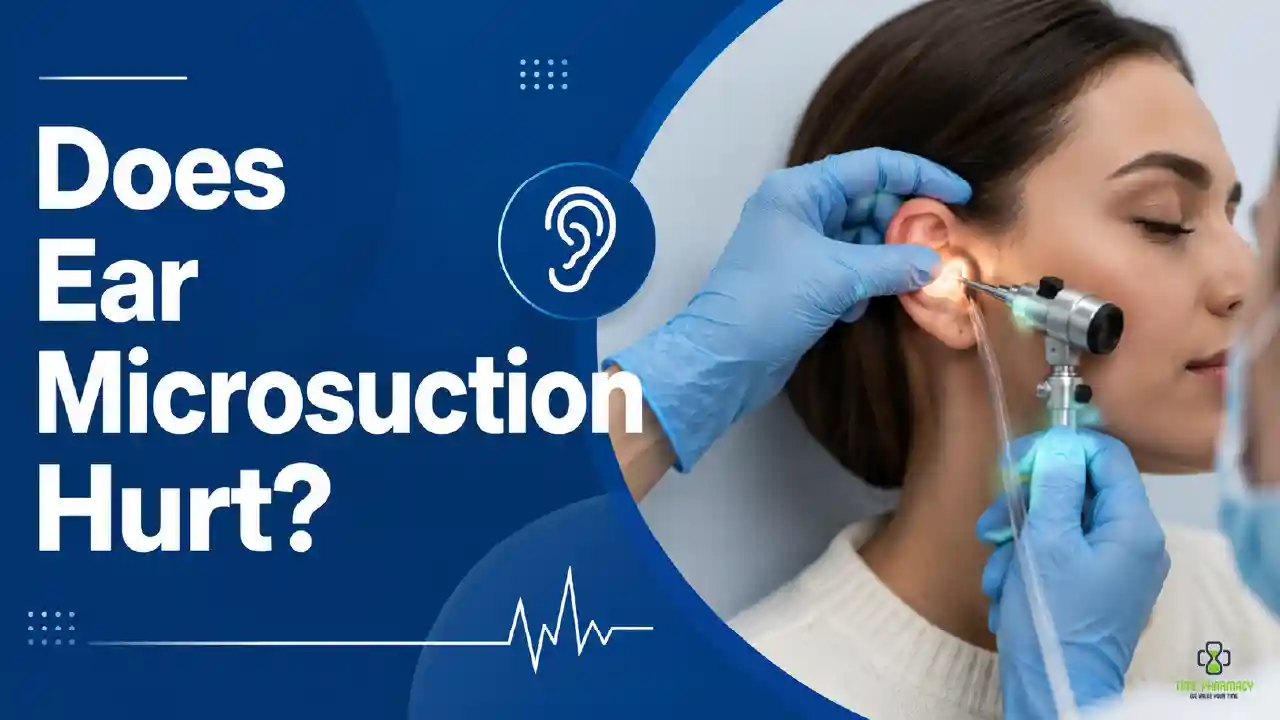
Blocked ears caused by excessive earwax can affect your hearing, balance and overall comfort. While earwax is an important part of keeping your ears healthy, it can sometimes build up and become impacted, leading to symptoms that require professional treatment. One of the most commonly recommended methods of removing impacted earwax is ear microsuction.
A question many people ask before booking an appointment is “Does ear microsuction hurt?” The short answer is that most people do not find the procedure painful, although individual experiences can vary depending on the amount of wax present and the condition of the ear.
Understanding what happens during ear microsuction can help you feel more confident about the procedure and know what to expect.
Ear microsuction is a professional method of removing excess earwax using a small, low-pressure suction device.
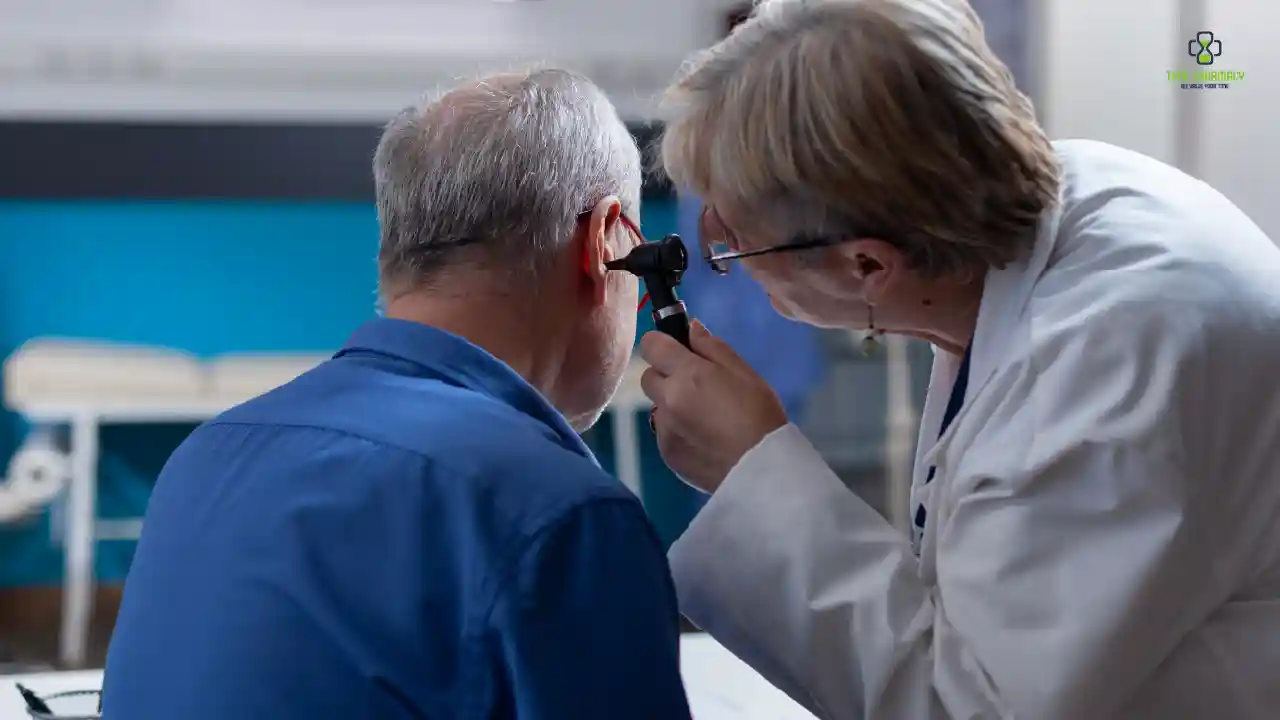
During the procedure, a trained healthcare professional uses specialised equipment to look inside the ear canal while carefully removing the wax under direct vision. Unlike traditional ear syringing, microsuction does not rely on flushing the ear with water.
Because the procedure allows the practitioner to see the ear canal clearly throughout treatment, it is considered a precise method of earwax removal.
For most people, ear microsuction is not painful.
You may experience a gentle pulling or suction sensation as the wax is removed. Some people also notice a vibrating sound or temporary increase in noise because the procedure takes place close to the eardrum.
If the earwax is very hard, tightly impacted or if the ear canal is already inflamed, there may be some temporary discomfort. However, this usually settles quickly once the procedure is complete.
If you feel pain during treatment, you should tell the healthcare professional immediately so they can stop and assess the cause.
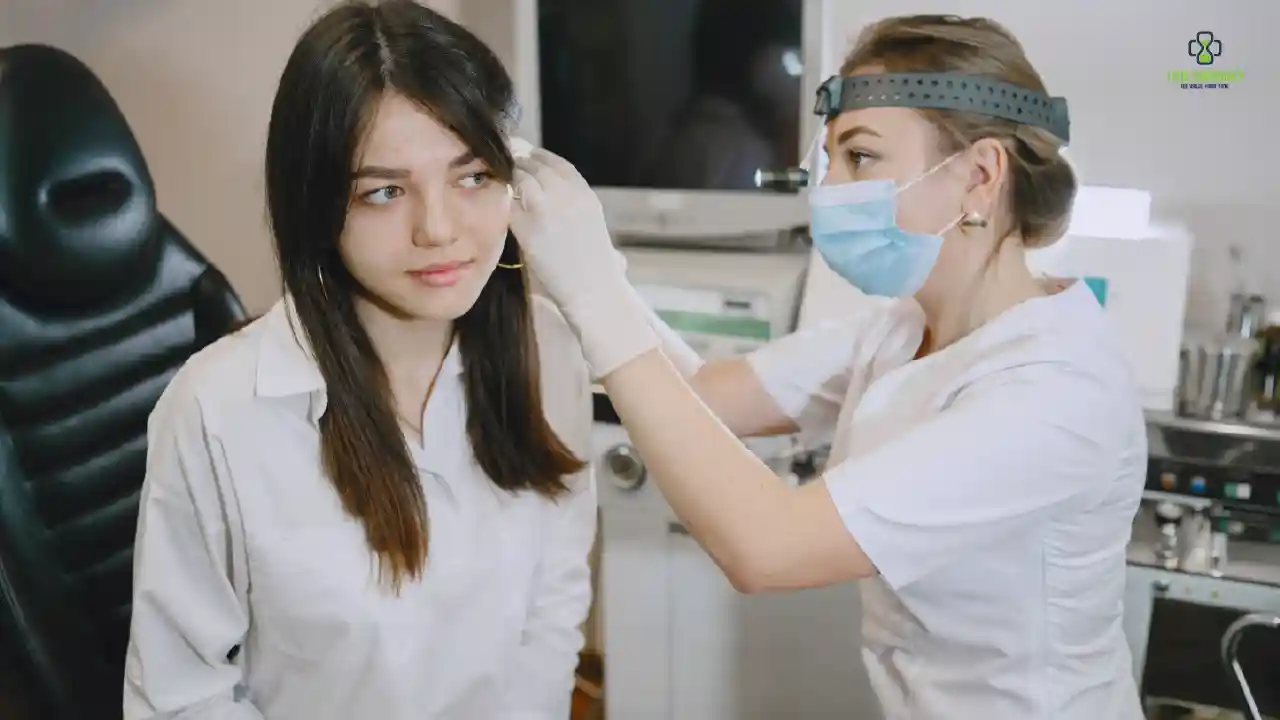
People often describe ear microsuction as feeling unusual rather than painful.
You may notice:
Most appointments are completed within a few minutes, although this depends on the amount of earwax that needs to be removed.
Ear microsuction and ear irrigation are both recognised methods of removing earwax, but they work differently.
Microsuction removes wax without introducing water into the ear canal, making it suitable for many people who may not be appropriate candidates for ear irrigation.
Because the healthcare professional can see the ear throughout the procedure, microsuction allows targeted removal of earwax while avoiding unnecessary contact with the surrounding structures.
The most appropriate method depends on your symptoms, ear health and medical history.
Ear microsuction may be recommended for people experiencing symptoms caused by impacted earwax.
These symptoms may include:
A healthcare professional will assess your ears before deciding whether microsuction is an appropriate option.
In many cases, yes.
Using ear-softening drops for several days before your appointment may help soften hardened earwax, making it easier and more comfortable to remove.
The type of drops recommended and the number of days they should be used can vary depending on your individual circumstances.
Always follow the advice provided by your healthcare professional.
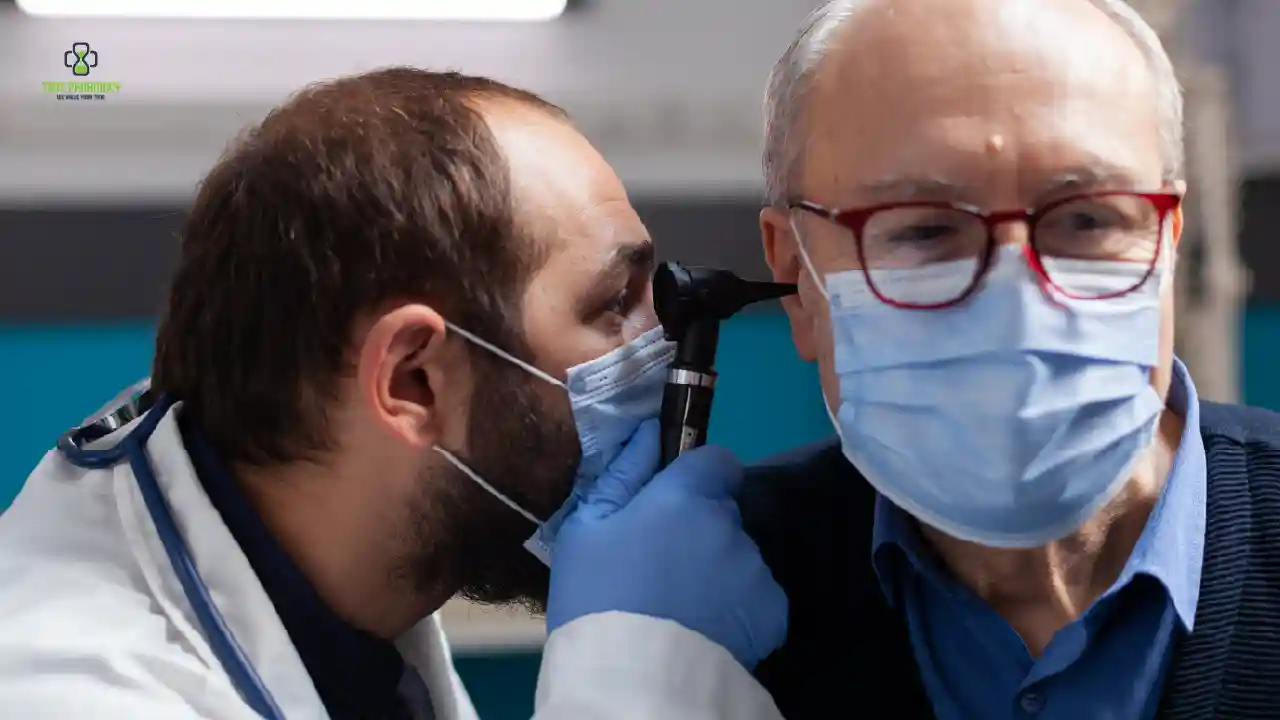
Ear microsuction is generally well tolerated when performed by a suitably trained healthcare professional.
Some people may experience mild temporary effects immediately afterwards, such as slight sensitivity, temporary dizziness or increased awareness of sounds because the ear canal has been cleared.
These effects usually settle within a short time.
Persistent pain, bleeding or hearing changes after treatment should be assessed promptly by a healthcare professional.
Ear microsuction may not be suitable for everyone.
Your healthcare professional will ask about your medical history before treatment, including previous ear surgery, recent ear infections or other conditions affecting the ears.
This assessment helps determine the safest method of earwax removal for your individual circumstances.
Yes.
Earwax is produced naturally, so it can build up again over time.
Some people rarely experience further problems, while others naturally produce more earwax and may require occasional professional earwax removal.
Avoiding cotton buds and inserting objects into the ears can help reduce the risk of impacted earwax developing again.
If you are wondering whether ear microsuction hurts, most people find that it is not painful. The procedure may cause a brief suction sensation or some temporary discomfort if the earwax is particularly hard or the ear is already sensitive, but it is generally well tolerated.
Ear microsuction is a precise method of removing excess earwax and can provide quick relief from symptoms such as blocked ears and reduced hearing. If you think earwax is affecting your hearing or causing discomfort, a qualified healthcare professional can assess your ears and recommend the most appropriate treatment option available across the UK.
“Always polite and delivers medication on time. Absolutely love the service they provide and great staff. Keep up the good work ????”
“A fantastic pharmacy. Efficient, helpful staff who deliver within a few hours of prescription being prescribed or less. Absolutely amazing service.”
“Can highly recommend this service, the delivery is so speedy and always reliable, delivered by hand to the door, just amazing, thank you.”
Malaria is a potentially serious infection transmitted through the bite of infected mosquitoes. It occurs in many tropical and subtropical …
Read MoreCaffeine is one of the most widely consumed stimulants in the world. It is found naturally in coffee, tea and …
Read More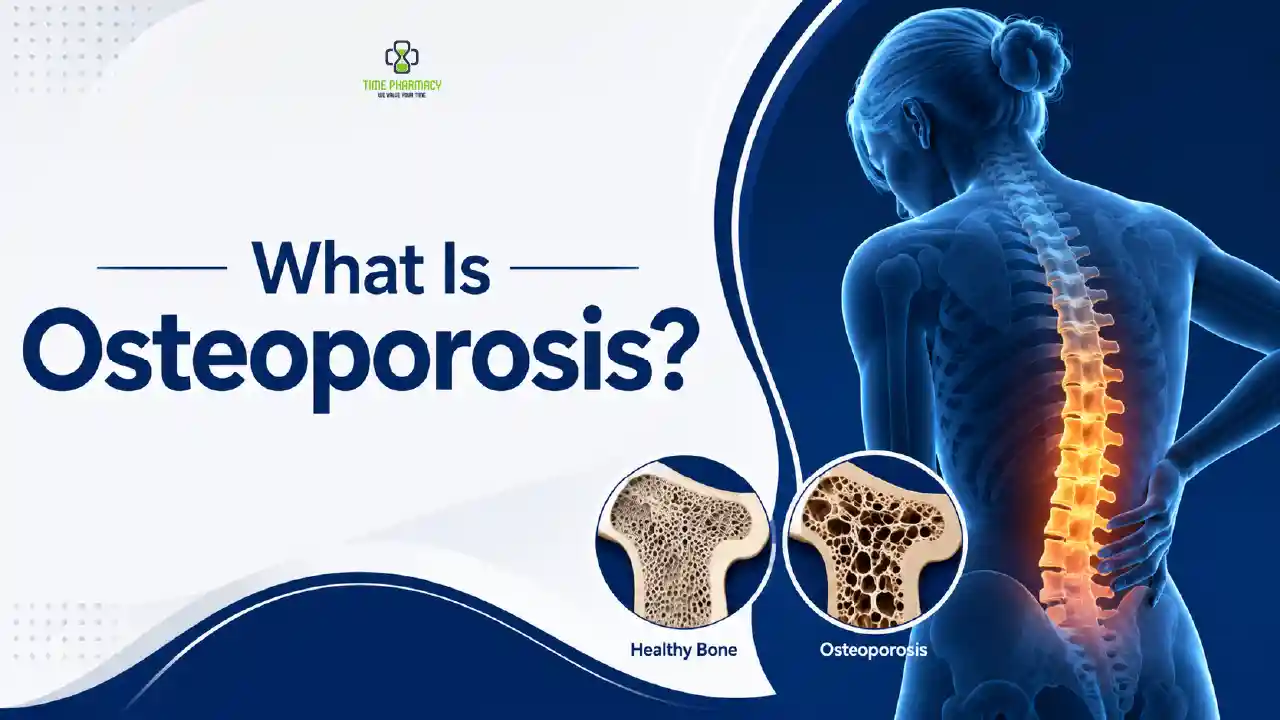
Bones are living tissue that are constantly being broken down and rebuilt throughout your life. During childhood and early adulthood, …
Read More