


Can Mosquito Repellent Protect Me Against Malaria?
Malaria is a potentially serious infection transmitted through the bite of infected mosquitoes. It occurs in many tropical and subtropical …
Read More
Walking is one of the easiest and most accessible forms of exercise. It requires no special equipment, can be done almost anywhere, and offers a wide range of health benefits. One of the most common fitness goals people set is walking 10,000 steps a day, but many wonder how many calories this actually burns and whether it is enough to help with weight management.
The answer depends on several factors, including your body weight, walking speed, terrain and overall level of fitness. While there is no single number that applies to everyone, understanding how calorie burn works can help you set realistic expectations and make the most of your daily activity.
The goal of walking 10,000 steps each day has become widely recognised as a simple way to encourage regular physical activity.
Although the number itself is not a medical requirement, it provides an achievable target that helps many people move more, reduce sedentary behaviour and improve overall health.
For some people, reaching 10,000 steps may take around 90 minutes to two hours of walking throughout the day, depending on pace and stride length.
The number of calories burned while walking 10,000 steps varies from person to person.
On average, many adults burn between 300 and 500 calories by walking 10,000 steps. However, this estimate can be higher or lower depending on individual factors.
People with a higher body weight generally burn more calories because their bodies require more energy to move.
Walking at a faster pace or on hills can also increase calorie expenditure compared with walking slowly on flat ground.
Several factors influence how many calories you burn while walking.
Heavier individuals usually burn more calories than lighter individuals when walking the same distance because more energy is needed to move a larger body mass.
A brisk walk increases your heart rate and requires more effort than a stroll, meaning more calories are burnt over the same number of steps.
Walking uphill, climbing stairs, or walking on uneven ground requires more energy than walking on flat, smooth surfaces.
Metabolism, muscle mass, and overall fitness can also affect calorie burn, although these differences are usually smaller than those caused by body weight and walking intensity.
Walking 10,000 steps can contribute to weight loss, but it is only one part of the overall picture.
Weight loss generally occurs when you consistently use more energy than you consume through food and drink.
Walking increases daily calorie expenditure, while balanced nutrition helps manage calorie intake. Combining regular physical activity with healthy eating is often the most effective approach to achieving and maintaining a healthy weight.
Walking offers many benefits beyond calorie burning.
Regular walking may help support heart health, improve circulation, strengthen muscles and joints, maintain bone health, and improve overall fitness.
Many people also find that walking helps reduce stress, improve mood, and support better sleep.
These wider health benefits make walking valuable even if weight loss is not your primary goal.
No. Your daily step count can be built gradually throughout the day.
Walking to work, taking the stairs, enjoying a lunchtime walk or choosing to walk short distances instead of driving can all contribute towards your daily total.
Breaking activity into smaller sessions can make the goal feel more manageable and easier to maintain.
If you want to make your walks more challenging, there are several simple ways to increase calorie expenditure.
Walking at a faster pace, choosing routes with hills, increasing your walking distance, or carrying a light backpack can all increase the amount of energy your body uses.
The key is to progress gradually and choose activities that match your fitness level.
Walking is considered a low-impact activity and is suitable for many people.
However, if you have an existing medical condition, joint problems or concerns about starting a new exercise routine, it is sensible to seek advice from a healthcare professional before making significant changes to your activity levels.
If you are wondering how many calories you burn by walking 10,000 steps, the answer is typically between 300 and 500 calories, although the exact amount depends on factors such as body weight, walking speed, and terrain.
Walking 10,000 steps each day can be an excellent way to increase physical activity, support heart health, and contribute to healthy weight management. Combined with a balanced diet and consistent lifestyle habits, it can play an important role in improving your overall wellbeing across the UK.
“Always polite and delivers medication on time. Absolutely love the service they provide and great staff. Keep up the good work ????”
“A fantastic pharmacy. Efficient, helpful staff who deliver within a few hours of prescription being prescribed or less. Absolutely amazing service.”
“Can highly recommend this service, the delivery is so speedy and always reliable, delivered by hand to the door, just amazing, thank you.”
Malaria is a potentially serious infection transmitted through the bite of infected mosquitoes. It occurs in many tropical and subtropical …
Read MoreCaffeine is one of the most widely consumed stimulants in the world. It is found naturally in coffee, tea and …
Read More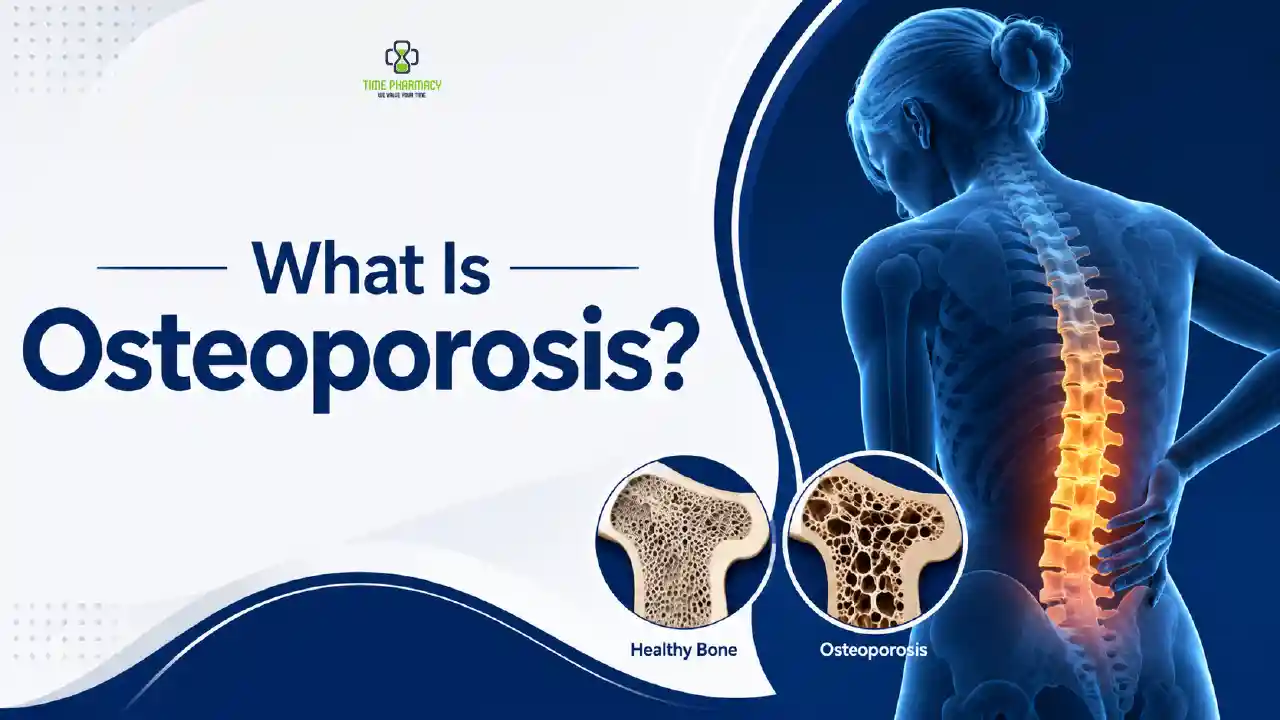
Bones are living tissue that are constantly being broken down and rebuilt throughout your life. During childhood and early adulthood, …
Read More